What Is a Beer Pong Kit and How Does It Work?
A beer pong kit is a ready-to-use set for a table game involving cups, lightweight balls, and a suitable playing surface. It removes much of the guesswork from setup. A typical kit includes reusable cups, ping-pong balls, cup racks, and sometimes a folding table or carrying case. Some online listings use the unusual spelling “Beer Pong Mukit,” but they usually describe the same basic product.
The game works through simple turn-based tossing. Players arrange cups in triangular formations on opposite ends of a table. Each player aims to land a ball in an opponent’s cup. When a successful shot happens, the cup is removed according to the agreed house rules. Alcohol is not required. Water, juice, or other non-alcoholic drinks can make the activity suitable for more groups. Participants should follow local age requirements and drink responsibly.
Quality matters more than flashy packaging. Cups should stand firmly, balls should bounce predictably, and the table should resist movement. Washable parts are especially useful because spills happen quickly. I have found that clear setup instructions prevent more disputes than complicated rules. Still, no kit guarantees a perfect game. Players may disagree about re-racks, missed shots, or damaged cups. That is normal. A reliable guide should explain common variations, cleaning habits, storage, and safety limits before discussing strategy. This article explores what comes in a beer pong kit, how each part works, and how to choose one for casual, organized, or family-friendly play.
Kit Anatomy: Ten 16-Ounce Cups, Two Balls, Racks, and a Table
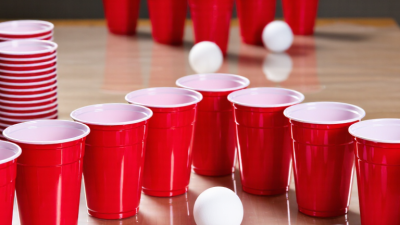
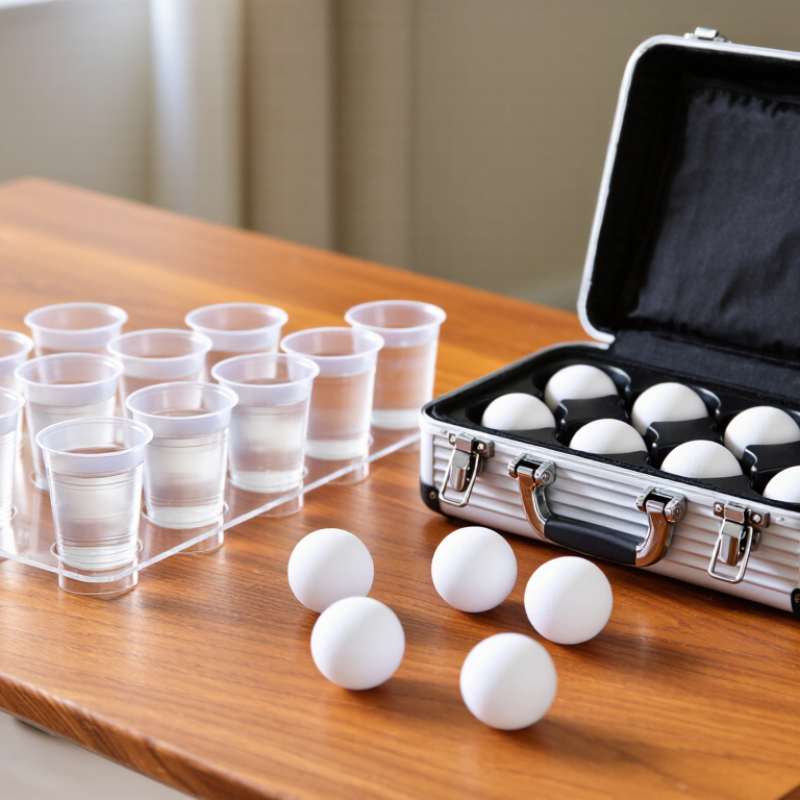
A beer pong kit is a compact setup for a cup-and-ball tossing game. Its core usually includes ten 16-ounce cups, two lightweight balls, two racks, and a folding table. Each item has a clear job, so the game can start without much preparation.
The cups are arranged in two triangle formations, one at each end of the table. A rack helps keep the formation even, although thin plastic racks can shift on smooth surfaces. The ten-cup layout creates a practical target area and leaves enough space between players.
The two balls allow a faster rhythm when one ball rolls away or misses completely. Clean, dry balls are easier to control than dusty ones.
The table provides the playing distance and a stable landing surface. Many portable tables are close to eight feet long, but dimensions can vary, so players should check the setup before beginning. Place the cups near the ends, leaving a clear center lane.
If drinks are served, use separate cups for drinking rather than the target cups. This improves hygiene and reduces confusion. I have found that crowded tables cause more trouble than difficult throws.
The kit is simple, but it is not foolproof. Wind, uneven floors, and loose racks can change the experience quickly. Clear house rules also matter, especially for rebounds, cup removal, and safe, responsible serving.
Table Setup: Arrange Ten Cups in a Triangle on an 8-Foot Surface
A beer pong kit usually includes ten plastic cups, lightweight balls, and sometimes a simple rack or measuring guide. The kit supports a repeatable table setup, but the table still needs careful adjustment. Use an 8-foot surface with a clear playing area. Remove loose objects, wipe the top, and check that the table does not wobble.
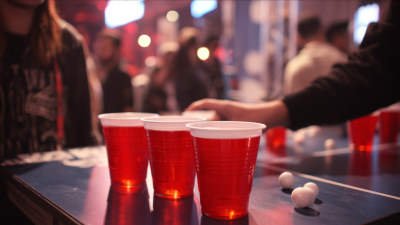
Place four cups in the back row, then three, two, and one. This creates a centered triangle with ten cups total. Keep the front cup several inches from the table edge. Leave small, even gaps between cup rims, so the formation stays stable during play. I use a ruler at first, although experienced players may align the cups by eye. That method is faster, but not always accurate.
Fill each cup only enough to keep it steady. Many players choose water or nonalcoholic drinks, especially when several rounds are planned. Teams stand at opposite ends and take turns tossing a ball toward the triangle. A successful shot may remove the cup, depending on the agreed rules. Clear rules matter because casual games can become confusing quickly. My first setup was slightly off-center, and the uneven angle affected every throw. I still recheck the front cup before starting. Small corrections improve fairness, even when the table looks level.
Gameplay Mechanics: Two Teams Alternate Throws to Remove Opposing Cups
A beer pong kit usually includes a folding table, plastic cups, several lightweight balls, and a rack or setup guide. The cups form a triangle at each end of the table. Each team places an equal number of cups in front of its players. Water may be used in the cups for hygiene, while drinks stay separate. This setup makes the game easier to manage and clean.
Two teams stand at opposite ends and alternate throws. A player aims for an opposing cup and gently arcs the ball across the table. If the ball lands inside, that cup is removed. The other team drinks from a separate serving cup or follows its agreed replacement rule. Then the next player throws. Simple rhythm matters.
Throw, check, remove, continue.
Most groups allow one throw per player during a turn, although house rules can change that detail. Some allow a bounced shot, while others count only direct throws. A cup should be removed only after everyone confirms the ball entered it. I have seen rushed calls create needless arguments. Keep the table steady, and replace damaged cups quickly. Players should also agree on boundaries before starting, because a ball touching the floor is normally dead. The game rewards accuracy, but not every miss feels fair. Lighting, table height, and cup spacing can affect results more than expected.
Scoring Rules: Standard Matches Begin with Ten Cups per Team
A beer pong kit usually includes a folding table, ten-cup racks, reusable cups, and lightweight balls. Standard matches begin with ten cups per team, arranged in a triangle at each end. Each cup normally represents one point. When a player lands the ball inside a cup, that cup leaves the table. The team that removes all opposing cups wins the round.
The scoring looks simple. It is not always perfectly consistent. House rules may allow one or two shots per turn, bonus shots, or a re-rack at six and three cups. Players should agree on these details before starting. A practical kit uses water in the playing cups, while participants keep beverages separate. This reduces spills and makes scoring easier to verify. Small details matter.
The 2023 Brewers Association industry statistics recorded 23.1 million barrels of craft beer production in the United States. That figure shows the scale of beer culture, but it does not prove that every player wants alcohol in the cups. Responsible hosts should offer water and alcohol-free options. The 2024 National Survey on Drug Use and Health also reported that alcohol use remains common among adults, while risky consumption deserves caution. A kit should support the game, not pressure anyone to drink. My own rule would be stricter: missed shots add no penalty, and every cup must remain clearly visible. Tens cups can look crowded. That assumption deserves checking.
Safety Practices: Use Water Cups and Follow Responsible-Drinking Guidelines
What Is a Beer Pong Kit and How Does It Work?
A beer pong kit usually includes plastic cups, lightweight balls, and sometimes a rack or folding table. Players arrange cups in a triangle and take turns tossing balls toward the other side. Rules can vary, so everyone should agree before the game begins. A simple safety improvement is using water cups for gameplay and keeping drinks in separate, clearly marked cups.
Water cups keep balls away from beverages, floors, and hands. Replace the water when it becomes cloudy or dirty. Keep it separate. Clean the balls and playing surface before and after use. A dropped ball should never return directly to a drinking cup. That small shortcut is easy to regret.
Responsible drinking matters more than winning. Offer water and food throughout the activity, and encourage slow pacing. No pressure. Anyone who feels dizzy, confused, or unwell should stop drinking and rest with a trusted person nearby. Participants must follow the legal drinking age and local rules. Never drink and drive, cycle, or operate equipment. Non-alcoholic drinks can follow the same game format, which keeps participation open and lowers risk. I once underestimated how quickly a casual game could become tiring, especially in a warm room. Better ventilation, shorter rounds, and regular breaks make the setup safer.