Best Toy Packaging Box Options for Global Buyers?
In a competitive global market, choosing the right Toy Packaging Box is crucial for success. Effective packaging not only protects the toy inside but also attracts customers. A well-designed box can enhance brand image and appeal to buyers. The right materials and design elements play a key role in making toys stand out.
When exploring options for Toy Packaging Box, various factors must be considered. Quality and durability are essential, as toys often endure rough handling. Eco-friendly materials are gaining popularity, aligning with consumer trends towards sustainability. However, balancing cost and quality remains a challenge for many businesses. Striking this balance can lead to better market positioning.
Although there are numerous choices available, determining the best fit is not always straightforward. Different markets may have unique preferences. Understanding these subtleties can improve packaging effectiveness. While innovation in design is vital, it must not compromise functionality. Continuous feedback from customers can provide valuable insights for improving packaging strategies.
Understanding the Importance of Toy Packaging for Global Markets
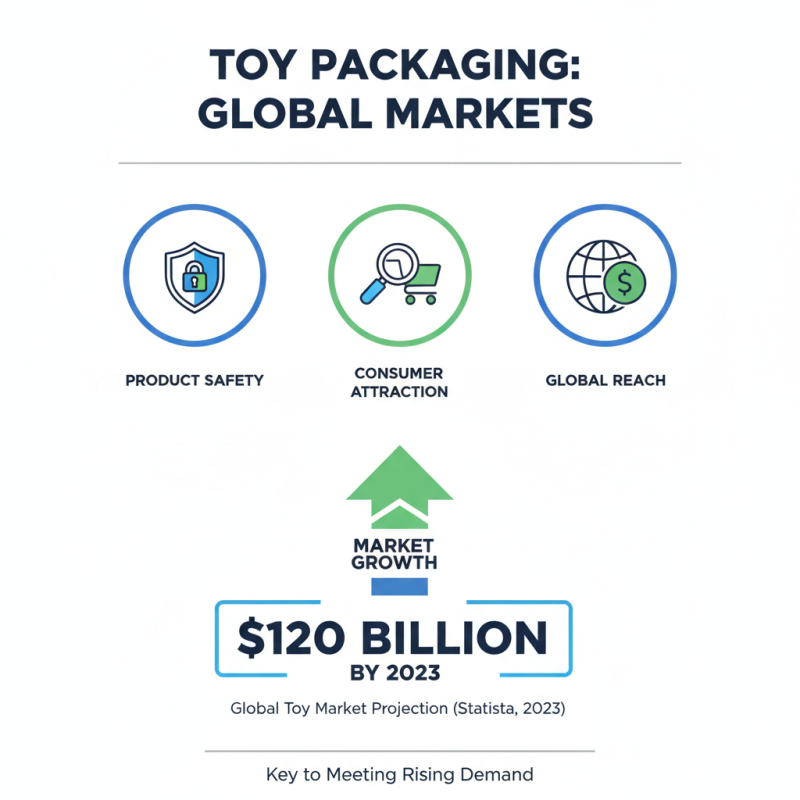
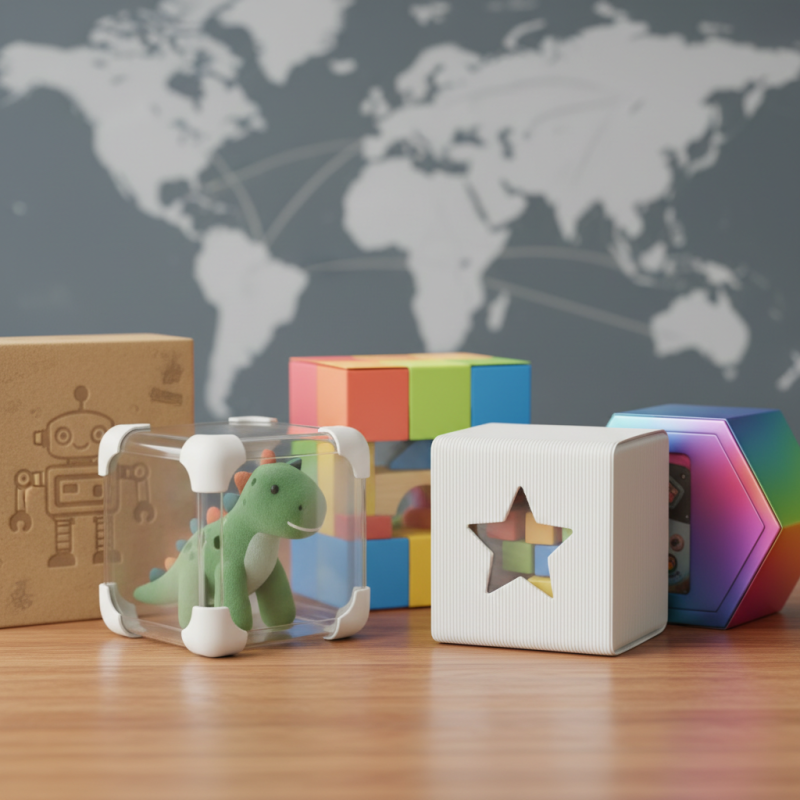
Toy packaging plays a crucial role in global markets. It extends beyond mere aesthetics. Effective packaging enhances product safety and attracts consumers. The global toy market is projected to reach $120 billion by 2023, highlighting the need for efficient packaging strategies to meet rising demand (Statista, 2023).
A study shows that 70% of consumers choose toys based on packaging appeal. Eye-catching designs can drive sales and create brand loyalty. Eco-friendly materials are increasingly preferred, as 75% of parents prioritize sustainability in their buying decisions. Using recyclable packaging not only meets consumer demand but contributes to a positive brand image.
Tip: Use clear labeling to communicate safety and age-appropriateness. Many customers seek this information instantly, impacting their purchasing decisions.
Additionally, consider local cultural preferences when designing packaging. For instance, colors and symbols may have different meanings across markets. A misstep here can result in misunderstood products. Engaging local designers might bridge cultural gaps.
Always test packaging with focus groups before launch. This step can reveal flaws you might overlook. Feedback is vital for improving your packaging strategy in a competitive landscape.
Types of Toy Packaging Materials and Their Benefits
When it comes to toy packaging, choosing the right materials is crucial. Different materials offer unique advantages. For instance, cardboard is lightweight and fully recyclable. It's a popular choice as it allows for vibrant prints. This helps toys stand out on shelves. However, cardboard might not be as durable as other options, leading to potential damage during shipping.
Plastics are another common material for toy packaging. They provide excellent protection from moisture and impact. Clear plastic packaging allows buyers to see the toy inside. This can attract more customers. Yet, plastic can raise environmental concerns. While recyclable options exist, many end up in landfills.
Wooden packaging is gaining traction too. It is sturdy and environmentally friendly. Using wood can enhance the perceived value of a toy. However, sourcing sustainable wood can be challenging. It's also generally more expensive than other materials. Manufacturers need to weigh these factors carefully when selecting packaging options.
Regulations and Standards for Toy Packaging Worldwide
When it comes to toy packaging, global regulations are critical. Many countries enforce strict standards to ensure safety and compliance. For instance, the American Society for Testing and Materials (ASTM) has laid out numerous guidelines governing toy safety. Toys must pass rigorous testing, emphasizing the need for reliable and secure packaging methods.
In Europe, the EN71 regulation addresses similar concerns. This standard mandates that all toys must be free from harmful substances. For packaging, this means materials need to be tested for chemicals and mechanical hazards. According to a report by the International Organization for Standardization (ISO), 75% of packaging materials can potentially cause harm if not properly managed. This data suggests an urgent need for manufacturers to choose their packaging materials wisely.
Not all companies comply fully with these regulations. A recent survey indicated that 30% of toy brands overlook packaging compliance. This oversight can lead to costly recalls and legal implications. Buyers must be informed about the packaging strategies employed by manufacturers. Understanding these guidelines can help ensure that toys are both safe and appealing to consumers.
Best Toy Packaging Box Options for Global Buyers? - Regulations and Standards for Toy Packaging Worldwide
| Region |
Regulations |
Materials Used |
Sustainability Features |
Certifications |
| North America |
ASTM F963, CPSIA |
Recycled cardboard, PET |
Biodegradable inks, Recyclable packaging |
FSC, CEC |
| Europe |
EN71, REACH |
Paperboard, Bioplastics |
Compostable materials, Low VOC |
CE, Ecolabel |
| Asia |
GB Standards, ISO 8124 |
Corrugated boxes, PET |
Recyclable materials, Eco-friendly inks |
ISO, SGS |
| Australia |
AS/NZS ISO 8124 |
Sustainable sourced cardboard |
Recycled content, Minimize packaging |
Responsible Wood, Green Tag |
Sustainable Packaging Solutions for Eco-Conscious Buyers
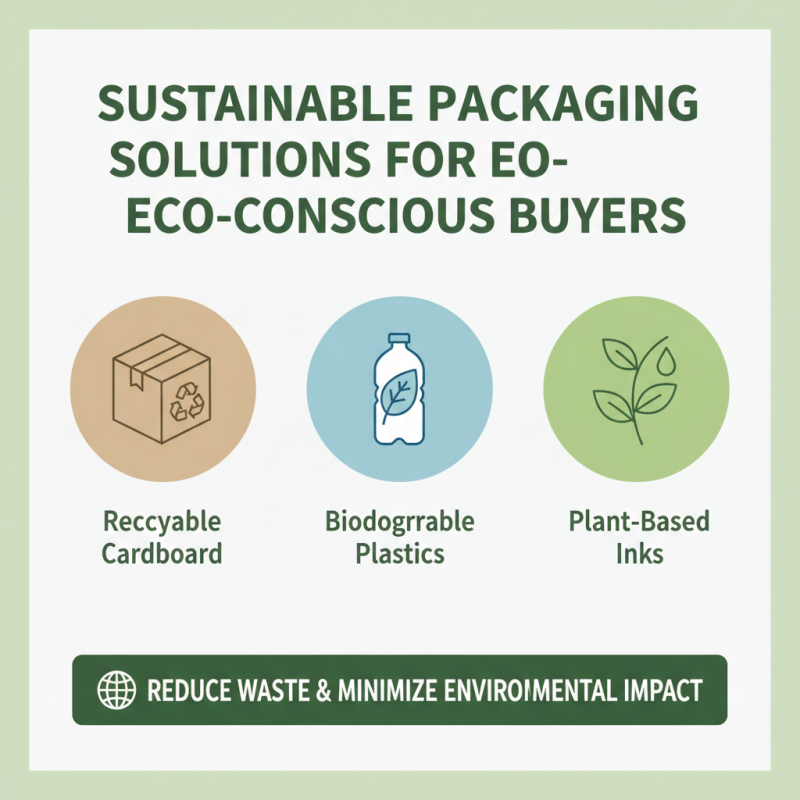
As environmental awareness rises, sustainable packaging becomes a priority for toy manufacturers. Many materials now offer eco-friendly alternatives. Recyclable cardboard, biodegradable plastics, and plant-based inks are great examples. These options reduce waste and minimize environmental impact.
The design of packaging plays a crucial role in sustainability. Simple, minimalistic designs require fewer resources and reduce production emissions. Using easily separable materials allows consumers to recycle without hassle. However, not all companies consider these aspects, leading to wasteful packaging practices.
Consumers are becoming more discerning, demanding transparency in packaging choices. Many seek products with clear sustainability credentials. Yet, some brands still hesitate to embrace sustainable practices fully. This inconsistency can confuse eco-conscious buyers. Addressing this gap is vital for brand integrity and consumer trust.
Innovative Designs in Toy Packaging to Attract Consumers
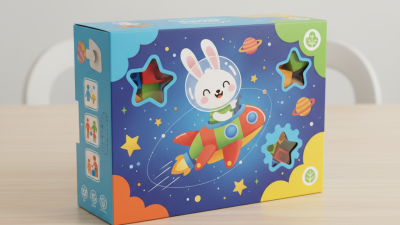
Attractive toy packaging can significantly enhance consumer interest. Creative designs grab attention and inspire purchases. Eye-catching colors, unique shapes, and sustainable materials make a lasting impression. Offering clear visibility of the toy inside can create excitement. Transparency builds trust with buyers.
Consider the use of interactive elements. Toys that come with pop-up designs or pull tabs can increase engagement. Customers appreciate packaging that tells a story. Design should convey fun and adventure. Simple yet engaging print designs also communicate brand values without overwhelming the customer.
Here are some tips for effective toy packaging. Choose vibrant colors that appeal to your target market. Use eco-friendly materials as consumers value sustainability. Ensure packaging is easy to open but difficult for children to access. Test various designs to see which one truly resonates. Regularly collecting feedback can lead to improvements. Remember, the packaging should reflect the joy of the toy itself.
Best Toy Packaging Box Options for Global Buyers
This chart illustrates the popularity of various toy packaging box options among global buyers. Eco-friendly packaging leads the trend, emphasizing sustainable practices in consumption. Luxury packaging appeals to high-end markets, while interactive and customizable options reflect consumer desire for engagement and personalization. Standard packaging still holds a place in the market, but innovative designs are gaining attention.