10 Tips for Buying a Regulation Beer Pong Table

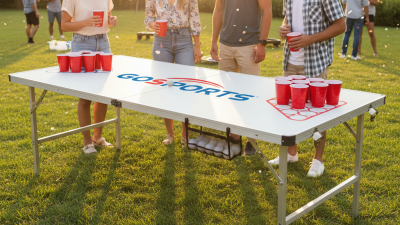
Buying a Regulation Beer Pong Table seems straightforward until the room is measured and the table arrives. “Regulation” can describe familiar dimensions, but it does not always mean independent certification. The World Series of Beer Pong’s published rules specify an eight-foot-long, two-foot-wide table, standing 27.5 inches high. That gives buyers a useful benchmark, not a guarantee that every product labeled regulation matches competition specifications.

The broader recreation market also offers context. The Sports & Fitness Industry Association’s 2024 Topline Participation Report says 242.9 million Americans took part in at least one sport or fitness activity in 2023. That figure does not measure beer pong demand, but it shows how widely recreational activities reach. For shoppers, practical details matter more: a level surface, sturdy folding legs, wipe-clean material, and a carry handle that feels secure when the table is packed away. Small details matter.

This guide breaks down 10 tips for comparing dimensions, construction, portability, setup space, and price before buying. Check the product specifications against the table’s intended use, and inspect warranty terms rather than relying on glossy photos. An inexpensive model may work for occasional gatherings, yet feel unstable on uneven flooring. I’ve found that listed measurements can still leave questions about surface finish and leg locks. Ask those questions before checkout. A little skepticism helps you choose a table that fits your space and holds up beyond its first game.
10 Tips for Buying a Regulation Beer Pong Table

Understanding Regulation Beer Pong Table Dimensions and Standards

“Regulation” does not mean one universal engineering standard. A widely used tournament specification is 8 feet long, 2 feet wide, and 27.5 inches high. The World Series of Beer Pong’s published rules give these dimensions for tournament play. Treat them as a practical benchmark, not a guarantee that every venue follows the same rules. Check the event rules before buying.

Measure the tabletop, not just the folded frame. A surface shorter than 96 inches changes the distance between cups; a narrow edge also leaves less room for rebounds. Height matters at home, too. At 27.5 inches, the playing surface sits near many standard table heights, but chair arms or uneven flooring can still interfere. Small details count.

Look for a flat, rigid top and legs that lock securely. A tape measure can catch misleading product descriptions. I would also check whether the stated size includes end caps or trim; listings are not always clear. The tournament specification gives dimensions, but it does not certify a table’s materials or stability. For a level surface, set the table up and check both ends before play.
Choosing Durable Materials and a Reliable Playing Surface

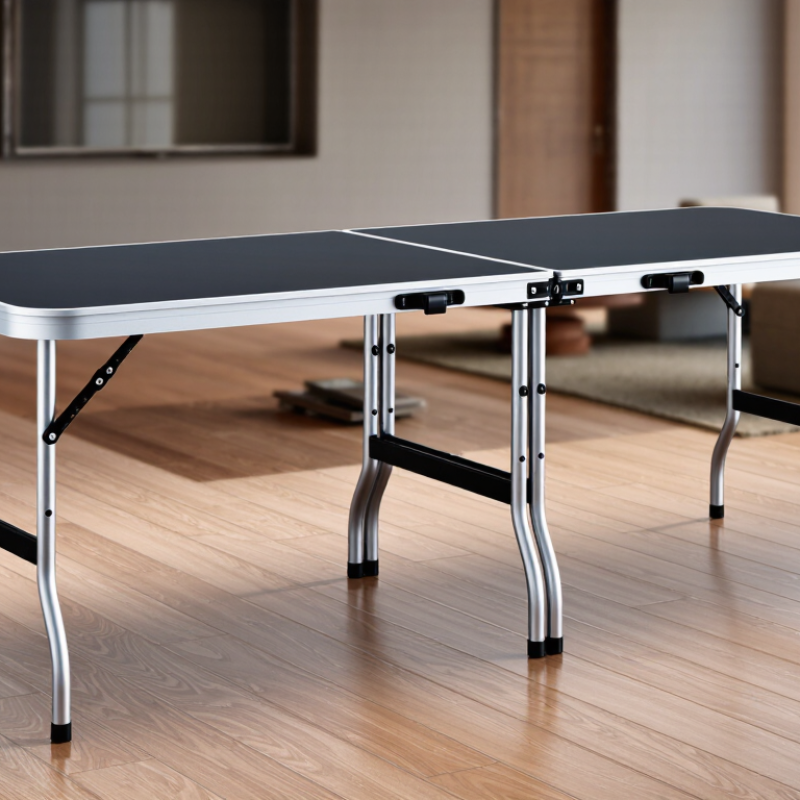
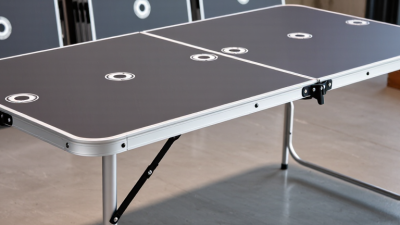
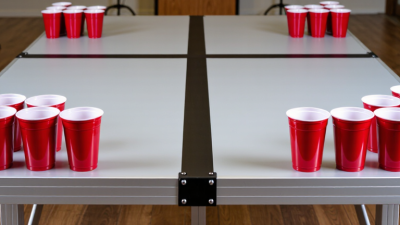
A regulation-size beer pong table should stay steady through repeated setup, play, and storage. Check the listed dimensions against the rules you plan to use; “regulation” can vary between events. A solid frame matters as much as the top. Aluminum supports are light and resist rust, while sturdy steel can feel more rigid. Look for reinforced joints and legs that lock without wobbling. Check it in person.

The playing surface should be flat, firm, and easy to clean. Sealed plywood can provide a smooth feel, but exposed edges may swell if liquid gets inside. Plastic tops handle moisture well, though thinner panels can flex. Neither material is automatically better. Run your hand across the surface and inspect the edges, seams, and corners for rough spots or raised areas. Small defects can affect cup placement.

A dependable finish reduces glare and helps the surface stay consistent. Glossy coatings may look polished but can reflect overhead lights; a restrained matte finish is often easier to read. If possible, set the table on a level floor and press gently near each corner. Notice any rocking. Fold and reopen the legs, too. It is easy to focus on the top and overlook the hinges; I would not assume a sturdy-looking table will stay sturdy after many folds. Check the weight limit, care instructions, and replacement-part availability before buying.

10 Tips for Buying a Regulation Beer Pong Table - Choosing Durable Materials and a Reliable Playing Surface

Dimensions and tournament rules can vary, so confirm the requirements for your event before buying. An often-used full-size format is approximately 8 ft long, 2 ft wide, and 27.5 in high.

Tip What to Check Why It Matters Practical Buying Target
1. Confirm the playing dimensions Check the table’s assembled length, width, and height—not just its folded dimensions. Tables sold for beer pong may differ in size. A table that does not match event rules can affect setup and play. Look for dimensions close to 8 ft × 2 ft × 27.5 in if you want a commonly used full-size format; verify the applicable rules.
2. Choose a water-resistant top Ask whether the playing surface is made from a water-resistant material, such as HDPE, or has a durable sealed finish. Spills are likely during use. Moisture-resistant materials are generally easier to wipe clean and less prone to water damage. Check the manufacturer’s care instructions and inspect whether edges, seams, or exposed core material could absorb liquid.
3. Inspect the surface for consistency Look for a flat, smooth playing area without raised seams, dents, rough patches, or noticeable warping. Uneven spots can make bouncing and rolling less predictable. If possible, inspect the table fully opened on a level floor; otherwise, review detailed photos and the return policy.
4. Check the finish and coating Look for a finish that is even and firmly bonded, with no peeling, bubbling, or sharp edges. A sound finish helps protect the tabletop and makes routine cleaning easier. Choose a surface that can be cleaned using the care methods specified by the manufacturer.
5. Examine the frame material Review the frame construction and material, such as aluminum or coated steel, and check the joints and supports. A well-built frame helps the table stay steady. Metal durability also depends on construction, finish, and how the table is stored. Look for secure connections and a stated maintenance or storage recommendation; do not assume every metal frame is rust-proof.
6. Test stability and leg locking Check whether the legs lock firmly when open and whether the table rocks under light pressure. Stable support reduces unwanted movement during play and makes the table safer to use. Prefer secure leg braces or locking mechanisms, and follow the setup instructions before use.
7. Review the folding joints and edges Inspect hinges, center joints, corner protection, and any exposed hardware. These areas experience repeated handling and can affect how securely the table opens and folds. Look for smooth operation, protected edges, and no loose or protruding fasteners.
8. Consider portability and storage Check the folded size, carrying handles, table weight, and whether the folded halves latch together. Portability matters if the table will be transported or stored between uses. Compare the listed weight and folded dimensions with your vehicle and storage space before ordering.
9. Check the layout and markings Review printed lines, cup-placement guides, and the usable playing area. Clear markings can help with consistent setup, but printed graphics should not create raised or slippery areas. Make sure the markings are flat and that the table still provides the dimensions required by your chosen rules.
10. Read the warranty and care details Check the warranty terms, replacement-part availability, cleaning guidance, and exclusions for outdoor use. Clear support and care instructions help you understand how to maintain the table and what damage is covered. Store the table dry and follow the maker’s guidance; a warranty does not necessarily cover spills, weather exposure, or misuse.

Checking Stability, Portability, and Storage Requirements

A regulation beer pong table should feel firm before anything is placed on it. Set it on a level floor and press gently on each corner. Watch for rocking, flexing along the center, or legs that shift under light pressure. Check that every brace locks securely and that the tabletop does not sag when supported only at its ends. A small wobble can become annoying during play. Test it empty.

Portability is more than a low listed weight. Measure the folded table and compare it with your car trunk, hallway, and storage doorway. Built-in handles help, but they do not make a bulky table easy to carry up stairs. If possible, lift one side in the store or ask for the packed weight. I once underestimated the awkward width of a folded table; the weight was fine, but the narrow stair turn was not. That detail is easy to miss.

Plan where the table will live between uses. A dry closet or indoor storage area helps protect hinges and the playing surface from moisture and temperature swings. Check the folded height, and leave room to remove it without scraping walls. Keep heavy items off the tabletop, since uneven pressure may cause gradual warping. Inspect the feet and locking hardware after moving it. Little parts loosen. A quick check takes seconds.

Comparing Prices, Warranties, and Essential Features

A regulation beer pong table should be compared by its actual dimensions, not its product title. Measure the playing surface and folded frame; listings can use “regulation” loosely. Grand View Research estimated the global sporting goods market at $120.9 billion in 2023, with projected annual growth of 6.7% through 2030. That broad market estimate is not a beer pong table price guide, but it shows why prices vary across materials and construction. Compare the same length, width, surface finish, and included accessories before judging a deal. Check whether the legs lock firmly and whether the tabletop resists spills and wipes clean. Small details matter.

Read warranty terms before checkout. A low price may come with short coverage, exclusions for surface damage, or costly return shipping. Look for the coverage period, what defects qualify, and who handles claims. Keep the receipt and product listing. Compare the total cost, including delivery, carrying case, and replacement parts, rather than the advertised price alone. A durable table should sit level on a hard floor, fold without pinching, and fit through a doorway when carried. If specifications are missing, ask the seller in writing. I would not assume a longer warranty proves better quality; it only clarifies the seller’s stated commitment.

Inspecting the Table Before Making Your Purchase

Before paying, measure the table rather than trusting “regulation” on a product listing. The World Series of Beer Pong’s published tournament specifications use a playing surface 8 feet long and 2 feet wide, with a height of 27.5 inches. Bring a tape measure; check length, width, and height at the same points on both sides. A small mismatch can make cups sit unevenly. Look along the surface for a raised seam, soft spots, or edges that bow under light hand pressure. I still find glossy finishes distracting. Shine is not proof of a flat, durable top.

Open and close any folding legs several times. They should lock firmly, without a sharp snap or visible wobble. Set the table on a hard, level floor and press gently near each corner. Watch for rocking, loose fasteners, or legs that shift. Inspect the underside, too: exposed staples, cracked braces, and rough cut edges can snag hands or clothing. Ask the seller for the tabletop material, frame material, weight rating, and care instructions in writing. If the table is assembled, inspect the hinge area closely; it is easy to overlook. Take photos of defects before purchase. A faint scuff may be harmless, but a split support is not.