7 Beer Drink Game Tips for Global Buyers

Global beer buyers are seeking products that create interaction, not merely another branded item. This is where Beer Drink Game concepts attract attention. They can support events, hospitality programs, retail promotions, and private gatherings when designed responsibly. However, entertainment value must never depend on excessive alcohol consumption.

Kirin Holdings’ 2023 Global Beer Consumption Report recorded approximately 189.05 million kiloliters of beer consumed worldwide. The figure shows a mature, highly competitive category. It also suggests that buyers need stronger differentiation than packaging alone. IWSR Drinks Market Analysis has repeatedly identified moderation, no-alcohol products, and mindful drinking as important global trends. A modern game should therefore accommodate beer, low-alcohol beer, and alcohol-free choices. That detail matters. Small design decisions affect market acceptance.

The seven tips in this guide focus on practical buying considerations. They include material safety, easy cleaning, multilingual instructions, durable packaging, and age-appropriate marketing. Buyers should also check local advertising rules, product labeling requirements, import standards, and venue policies before ordering. The World Health Organization’s Global Status Report on Alcohol and Health highlights the serious public-health risks linked with alcohol use. Responsible product design is not optional.

A useful game should encourage conversation, not pressure.

That distinction is easy to miss.

Some buyers may assume that a louder, faster game sells better. Evidence is less certain. Testing with real users, including non-drinkers, can reveal uncomfortable weaknesses. The best purchasing decision may be less exciting on paper, but safer, clearer, and easier to scale across markets.

7 Beer Drink Game Tips for Global Buyers

Understanding Beer Drinking Games Across Different Cultures

Beer drinking games vary widely because drinking carries different meanings across cultures. In some places, sharing a toast builds trust. Elsewhere, public drinking may be restricted or socially uncomfortable. Global buyers should study local customs before planning an event. Age requirements and venue rules matter.

Keep the game flexible.

Tip one: offer alcohol-free choices.
Tip two: use small servings.
Tip three: explain the rules clearly.
Tip four: allow anyone to pass. No pressure.
Tip five: avoid speed-based challenges, since they can encourage unsafe drinking.

A simple question game may work better than a competitive format. I once assumed a loud group enjoyed competition, but quieter guests were only being polite.

Cultural details deserve attention.

Tip six: ask local partners for advice.
Tip seven: provide water, food, and a calm way to leave.

Humor also needs care. A joke about national habits can feel insulting, even when the speaker means no harm. I still find this difficult; a familiar rule in one country can seem rude in another. Test the activity with a small, mixed group before using it at a large gathering. Safety should shape the game, not interrupt it.

Choosing Suitable Beer Games for International Participants

7 Beer Drink Game Tips for Global Buyers

Choosing a beer game for international participants requires more than attractive packaging. A suitable game should explain rules clearly, use durable materials, and support different language backgrounds. Buyers should check age requirements, venue policies, and local alcohol regulations before ordering. The safest designs allow players to participate without drinking. This keeps the activity welcoming and practical.

Tip 1: Choose simple, adaptable rules. Test the game with people from different cultures and language levels. Avoid jokes about nationality, religion, gender, or drinking ability. Pictures, color coding, and short examples can reduce confusion. A timer, score sheet, or small tokens may also make play easier in noisy venues. I once underestimated translation needs. The symbols looked obvious, but several players read them differently.

Tip 2: Review material quality and responsible-use features. Cards should resist moisture, and printed instructions should remain readable under warm lighting. Include clear reminders about moderate consumption, water breaks, and non-alcoholic options. A good game should create conversation, not pressure. Buyers can request a sample before placing a large international order. Check packaging dimensions, customs requirements, and recycling information with qualified local partners. Details vary by country. They should not be guessed.

Preparing Rules, Equipment, and Responsible Drinking Limits

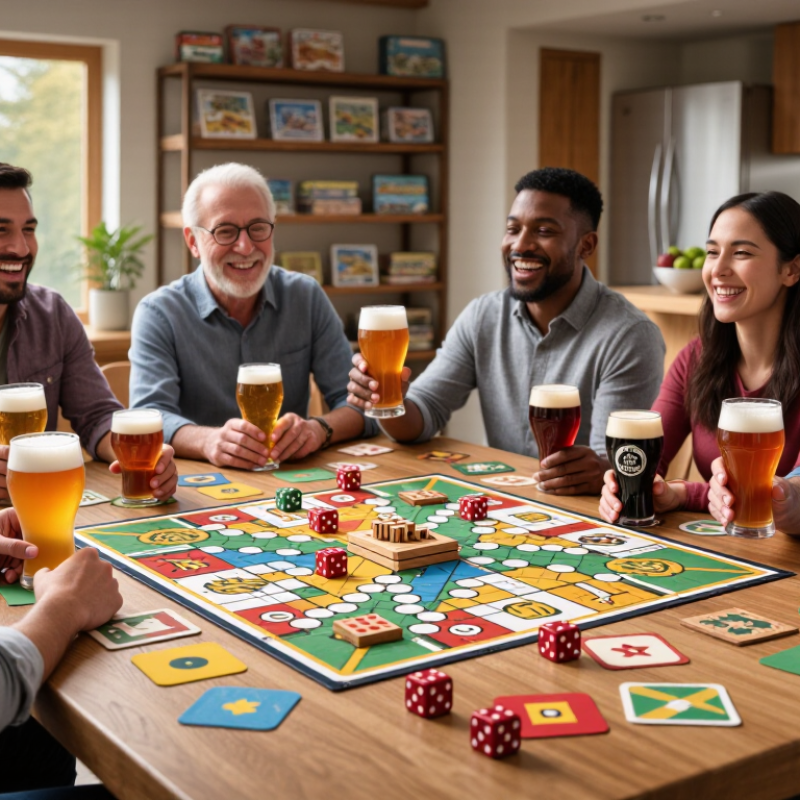
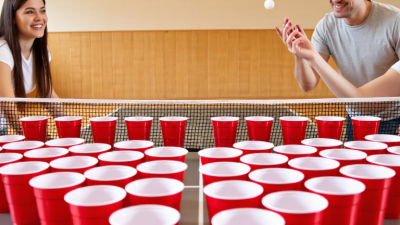
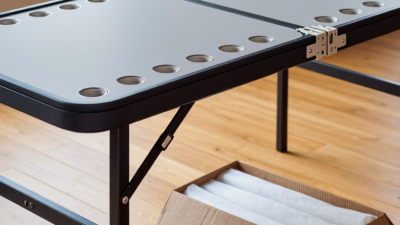
For global buyers, a beer drinking game should begin with clear rules, not larger servings. Define teams, turns, scoring, and a fixed end time before opening any cans. Use small, clearly marked cups, a stable table, washable equipment, a timer, score cards, water, and a waste container. Avoid rules that force players to finish drinks. Drinking games can reward skill without rewarding speed.

Tip: Set a serving cap for every player. Offer alcohol-free beer, water, or soft drinks as equal choices.

The World Health Organization’s Global Status Report on Alcohol and Health and Treatment of Substance Use Disorders (2024) reports 2.6 million alcohol-attributable deaths in 2019. WHO also emphasizes that no alcohol level is completely risk-free. These figures make responsible limits a purchasing requirement, not a decorative note.

Buyers should check local age rules, event policies, labeling requirements, and transport restrictions before shipment. Display serving sizes and emergency contacts near the play area. Never include penalties for refusing a drink, and stop play when someone appears unwell.

A practical rule is simple: one turn, one small serving, then water.

It is not perfect, especially across different drinking cultures. I still think it works better than vague warnings. Supervisors should record breaks and quietly remove anyone who loses coordination. Encourage food, ventilation, and safe travel plans. WHO’s data deserve more attention than competitive pressure.

Adapting Game Instructions for Global Buyers and Markets

7 Beer Drink Game Tips for Global Buyers

Adapting Game Instructions for Global Buyers and Markets

A beer drinking game should feel clear before it feels exciting. Global buyers need instructions that survive translation, different reading habits, and local expectations. Use simple verbs, short sentences, and familiar symbols. Explain the objective in one sentence. Then show one complete example with cups, cards, or tokens. Visual guidance helps when language skills differ. It also reduces arguments during play.

Tip 1

Replace slang with direct wording. Humor may not translate well.

Tip 2

State serving limits and offer a non-alcoholic option. Some players may be underage, driving, pregnant, or avoiding alcohol.

Tip 3

Use neutral measurements, such as milliliters, and check regional units.

Tip 4

Explain penalties without encouraging rapid consumption. A point loss or funny action works better than forced drinking. Keep it safe.

Tip 5

Test the translated instructions with local users. My first drafts often sounded correct but felt unnatural aloud. That mistake matters.

Tip 6

Add a local-language quick guide, while keeping the full rules nearby.

Tip 7

Review images, gestures, and colors for cultural meaning. A hand signal can confuse players. Check accessibility, too. Large text, strong contrast, and readable icons support more people. Revisit the rules after real play sessions; small misunderstandings can reveal larger market problems.

Managing Safety, Fairness, and Cross-Cultural Communication

7 Beer Drink Game Tips for Global Buyers

Managing Safety, Fairness, and Cross-Cultural Communication

Set a clear drinking limit before the game begins. Follow the legal drinking age and alcohol rules in the host location. Offer water, food, and alcohol-free choices beside every beer. Never reward speed or pressure someone to drink. A safe game feels social, not competitive.

Use equal cup sizes and explain each rule in plain English. Show one practice round before keeping score. Assign a neutral host to watch timing, points, and player wellbeing. Let participants skip a turn without giving a reason. Add a quiet stop signal, such as placing a hand on the table. Stop immediately when someone appears unwell.

Cultural expectations can differ sharply. Some guests may avoid alcohol for religious, medical, or personal reasons. Ask privately, not in front of the group. Avoid jokes about accents, drinking habits, or national stereotypes. Use pictures and translated rule cards when needed. Keep teams mixed, but never force strangers into close contact. In event planning, small misunderstandings often cause more tension than difficult rules. I have seen hosts explain too quickly and assume everyone understood. That assumption is risky.

Record scores where everyone can see them. Correct errors openly and calmly. Do not let senior buyers receive special treatment. A useful review question is simple: Did everyone feel safe, respected, and free to leave? If the answer is unclear, the game needs redesigning.