What Is a Beer Pong Game and How Does It Work?

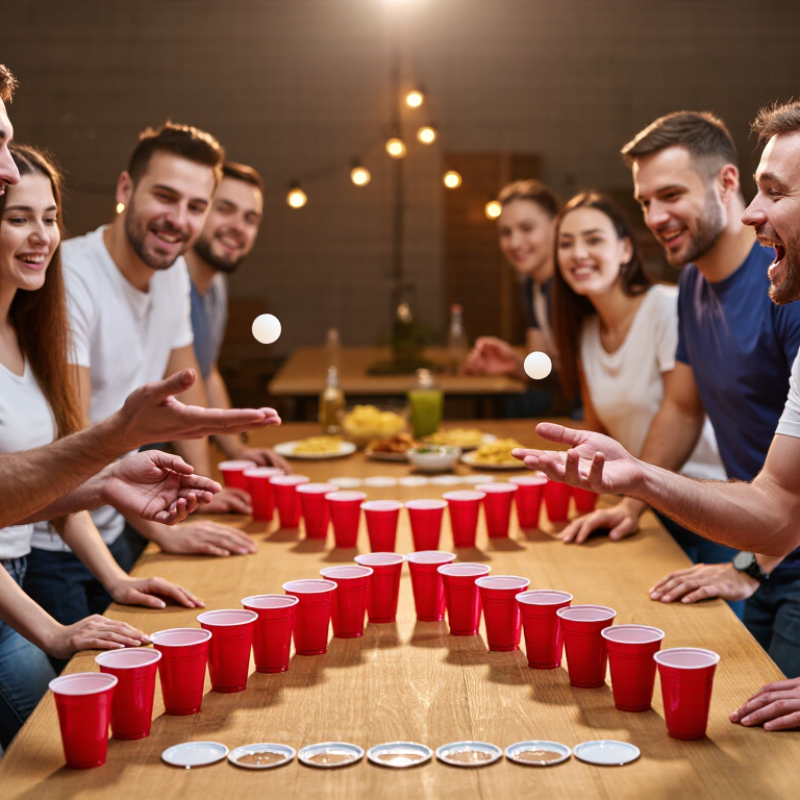
A Beer Pong Game is a social table game built around aim, teamwork, and simple rules. Players stand at opposite ends of a table, with cups arranged in triangular formations. They take turns tossing a lightweight ball toward the other team’s cups. A successful shot removes a cup, while the remaining cups gradually reshape the playing field. The winner is usually the team that clears the opponent’s cups first.

Billy Gaines, co-founder of the World Series of Beer Pong, has described the game’s appeal this way: “It’s about skill, competition, and having fun.” That idea matters because Beer Pong Game is not only a party activity. It involves hand-eye coordination, shot selection, communication, and basic sportsmanship. Many organized formats use water-filled cups, with players choosing non-alcoholic drinks separately. This approach keeps the focus on play and makes the activity more accessible.

The details can vary. Some groups allow rebounds, redemption shots, or different cup formations. That flexibility creates energy, but it can also cause confusion. Clear rules should be agreed on before the first throw. Players should also respect personal limits, keep the playing area clean, and never pressure anyone to participate. A missed shot is normal. Even experienced players misjudge distance, table speed, or a teammate’s call. That imperfection is part of the experience. This guide explains how a Beer Pong Game works, why common rules differ, and how to create a fair, enjoyable setup for every player.
What Is a Beer Pong Game and How Does It Work?

Definition and Basic Concept of Beer Pong

Beer pong is a casual table game built around aim, turns, and simple scoring. Two teams stand at opposite ends of a table. Each side arranges six or ten cups in a triangle. Players take turns throwing a lightweight ball toward the opposing cups. When a ball lands inside a cup, that cup leaves the table. The team that removes every opposing cup wins under the agreed rules.

The basic concept is more important than the party image. Cups can hold water, while players choose their own non-alcoholic drink. Drinking is not required for the game to work. The National Institute on Alcohol Abuse and Alcoholism defines a standard beer serving as 12 fluid ounces at about 5% alcohol. That detail matters because cup size and strength can differ. Rules also vary between homes, campuses, and organized events. My first assumption was that every table followed one format. That is not true.

Tips: Use a level table and keep the cups evenly spaced. Mark a clear throwing line. Agree on rebounds, re-racks, and missed shots before starting. Keep drinks separate from the playing cups. The Brewers Association’s 2023 industry report counted 9,761 operating breweries in the United States, showing beer’s broad cultural reach, but it does not measure game participation. That gap deserves honesty. Beer pong remains a social game, not a regulated sport with one universal rulebook.
Equipment, Table Layout, and Player Arrangement

What Is a Beer Pong Game and How Does It Work?

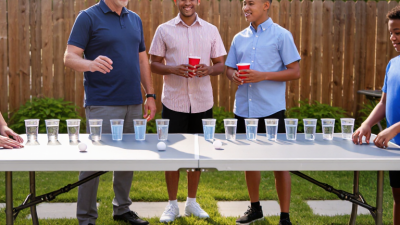
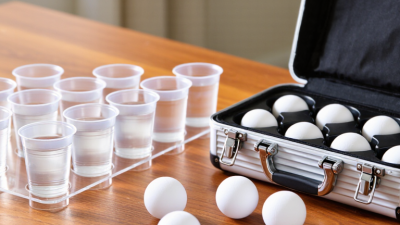
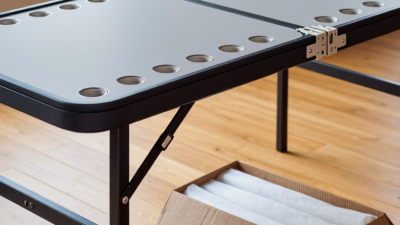
A beer pong game uses a long, stable table, lightweight balls, and several plastic cups. Players usually arrange ten cups in a triangle at each table end. The triangle points toward the center line. Each cup contains a small amount of beverage, or water for a cleaner setup. A separate cup can hold water for rinsing balls. Keep paper towels nearby.

Two teams normally stand behind opposite ends. Each team has two players, one on each side. Players take turns throwing or bouncing a ball toward the other team’s cups. When a ball lands in a cup, that cup is removed, following the group’s agreed rules. The team that clears the opposing cups first usually wins. House rules should be stated before play begins.

Table spacing matters. Leave enough room behind players for safe movement. Keep drinks away from electrical equipment and slippery surfaces. A level table helps, but real setups are rarely perfect. I have played on uneven tables, and small adjustments changed the rebound noticeably. That detail is easy to underestimate. Players should avoid crowding the table or reaching across another person. Use a nonalcoholic beverage when appropriate, and follow local age and alcohol-safety requirements. Clean cups and a dry playing area also make the game more comfortable and reliable.

Core Rules and Step-by-Step Gameplay

Beer pong is a tabletop target game played by two teams, usually with ten cups arranged in a triangle at each end. The cups may contain water for play, while beverages remain separate. Each team stands behind its table edge and takes turns throwing a ball toward the opponent’s cups. A successful hit removes one cup. House rules vary, and that matters more than many players admit.

A typical round follows a clear sequence. Teams decide who throws first, then each player gets one attempt. If the ball lands in a cup, the target cup leaves the table. Some groups allow a bounce, but they may count it as two cups because it is easier to defend. When one side loses all cups, the other side wins. Re-racks can be allowed when only six, three, or one cup remains, although these numbers are not universal. The safest setup uses clean cups, a stable table, and a separate water container for rinsing.

Rules should also control consumption, not pressure it. The National Institute on Alcohol Abuse and Alcoholism identifies binge drinking as about four drinks for women or five for men within two hours. The World Health Organization reported that alcohol caused 2.6 million deaths globally in 2019, or 4.7% of all deaths. Alcohol-free drinks work well. Players should agree on limits, allow substitutions, and stop when coordination declines. The game is simple. The judgment is not.

Scoring, Turns, and Winning Conditions

Beer pong is a turn-based table game using cups, a ball, and two opposing sides. A common setup places ten cups in a triangle at each end. Players usually stand behind a marked line and throw once per turn. In team play, each teammate often shoots during the same round. However, house rules can change this detail.

Scoring is usually simple: one successful throw removes one cup. A ball that lands directly inside may count as one point, while a bounce may earn two points if both teams accept that rule. Some tables allow a “re-rack,” moving cups into a tighter formation after a set number of hits. These choices affect strategy more than people expect. Tournament formats often reward accuracy, but casual games may reward creativity instead.

A side wins when it removes every opposing cup. Some rule sets permit a final rebuttal, giving the losing team another turn to answer. That condition should be agreed upon before play. The World Health Organization’s 2024 Global Status Report links alcohol use to about 2.6 million deaths worldwide each year, so non-alcoholic drinks can be used without changing the scoring system. The U.S. National Institute on Alcohol Abuse and Alcoholism also identifies binge drinking as a serious risk, making slower turns and clear limits sensible. The rules are easy. Fair enforcement is harder.

What Is a Beer Pong Game and How Does It Work? - Scoring, Turns, and Winning Conditions

Game Dimension Common Standard How It Works Possible Variation
Basic Objective Throw a ping-pong ball into the opposing team’s cups. Each successful shot normally removes one cup from the table. The first team to clear all opposing cups wins the game. Some groups use a target score instead of requiring every cup to be cleared.
Players Usually two teams with two players per team. One-on-one games are also common. Teammates generally take turns shooting during their team’s turn. Larger informal teams may rotate players after each round.
Playing Surface A long, level table. The table provides space for two cup formations, a center line, and a clear throwing area. A stable surface helps cups remain in position. A shorter table can be used for casual play, but it changes the difficulty and throwing distance.
Cups per Side Commonly 10 cups per team. Cups are arranged in a triangular formation, with the point of the triangle facing the opposing team. Six-cup games are often used when space, time, or drink volume is limited.
Cup Formation A triangle with the cups touching or closely grouped. A typical 10-cup setup has rows of four, three, two, and one cup. The formation is adjusted when cups become separated or removed. Some house rules permit re-racking once or twice during the game.
Cup Contents A small amount of liquid in each cup. The liquid may be a beverage or water, depending on the group’s preference. Using water can reduce spills and improve hygiene. Players may keep drinking beverages separately rather than drinking from cups used during play.
Opening Turn Decided by agreement, a coin toss, or a starting challenge. The selected team begins with the first shooting opportunity. Both teams should agree on the method before play starts. A “roll-off” or simultaneous shot may be used as a house rule.
Turn Structure Each team usually gets two shots per turn. In a two-player team, each teammate commonly takes one shot. After both shots, the opposing team begins its turn. Some rules allow a team to continue shooting after a successful shot or after meeting a special condition.
Successful Hit The ball enters and remains in an opposing cup. The hit cup is removed from the table. The receiving team may handle the ball only after it has clearly landed or left the playing area. A direct throw and a bounced throw may receive different treatment.
Missed Shot The ball does not enter a cup. A miss normally ends that individual shot, and the ball is returned or retrieved before the next shot begins. Some groups award a bonus shot for catching or interfering with a ball under specific house rules.
Bounced Shot The ball contacts the table before entering a cup. Many casual rules count a bounced shot as one hit, but the opposing team may be allowed to block or swat it before it reaches a cup. Some groups count a successful bounce as two cups, while others do not allow bounce shots.
Rim or Edge Contact The ball touches the rim but does not enter the cup. A rim contact is normally treated as a miss unless the ball falls into the cup and remains there. A group may create a special rule for a ball that circles the rim before dropping in.
Scoring Method One cup removed for each ordinary successful hit. The score can be tracked as the number of opposing cups remaining. Fewer remaining cups means the team is closer to winning. Bonus scoring may apply to special shots, but it should be agreed upon before the game.
Re-racking Cups are regrouped into a tighter formation. Re-racking makes remaining cups easier to target and keeps the formation organized as cups are removed. Common timing options include a set number of cups remaining or a limited number of re-racks per team.
Defensive Interference Players may not obstruct a legal shot. Hands or objects should not block a ball in flight unless the agreed rules specifically permit defense against a bounce shot. Bounce shots may be swatted away in many informal versions.
Winning Condition Remove all opposing cups first. When the final opposing cup is hit, the team normally wins, subject to any redemption or comeback rule declared before play. Some games allow the losing team one final opportunity to answer after the last cup is removed.
Redemption or Rebuttal An optional final-chance rule. The team that lost its final cup may receive additional shots. If every remaining cup is hit under the agreed conditions, the game may continue. The number of final shots and whether turns alternate should be clearly defined in advance.
Game Length Often about 10–30 minutes. Duration depends on the number of cups, shooting accuracy, re-rack rules, and how quickly players retrieve balls and reset cups. Six-cup games or timed rounds can create a shorter format.
Fair-Play Rules Take turns, avoid distracting shooters, and settle rules before starting. Clear agreements about scoring, bouncing, re-racks, spills, and winning conditions prevent disputes during the game. Groups may add a written house-rules card for recurring games.
Safety and Cleanup Use a stable surface and clean spills promptly. Players should avoid drinking from cups that have been contaminated by balls or table contact, and the playing area should remain clear of breakable objects. Water-filled cups and separate drinking containers are practical alternatives for casual events.

Common Variations and Responsible Play Practices

What Is a Beer Pong Game and How Does It Work?

Beer pong is a tabletop throwing game played with cups, balls, and two opposing teams. Players toss a ball toward the other team’s cups. A successful shot usually removes one cup from play. However, alcohol does not need to be part of the game. Water cups, juice, or alcohol-free drinks can create the same competitive rhythm.

Common variations change the pace and pressure. In “water pong,” players keep drinks separate from the cups touched by the ball. Teams may also use larger cups, timed rounds, or a rule allowing one rethrow. These details should be agreed on before play begins. The National Institute on Alcohol Abuse and Alcoholism defines binge drinking as four or more drinks for women, or five or more for men, within about two hours. That benchmark matters because repeated shots can quietly increase intake. The Centers for Disease Control and Prevention reported about 178,000 annual U.S. deaths from excessive alcohol use during 2020–2021.

Tips: Set a drink limit before the first round. Sip slowly, eat beforehand, and keep water within reach. Offer alcohol-free choices without making anyone explain. Never pressure a player to drink or continue. Arrange a sober ride before the game starts. Local age and serving rules still apply. My earlier instinct was to treat the game as harmless fun, but that view misses how quickly social pressure can build. Clear rules help, though they cannot replace personal judgment.