What Are the Best Beer Pong Sets to Buy?
Choosing Beer Pong Sets is less about flashy packaging and more about finding a kit that suits your space, budget, and plans. A good set should be easy to arrange, simple to store, and durable enough for repeated use. A useful comparison starts with the basics: cup capacity, ball quality, table compatibility, and the materials used. Cup stability matters. Lightweight cups can tip easily on uneven surfaces, while thicker options may hold their shape longer. Check whether the balls are included and whether replacement pieces are easy to find. Small details matter.
Portability can also shape your choice. A compact kit may work well for a picnic or a small gathering, while a larger setup needs more room and storage. Some sets include a foldable rack or carrying case, but those extras do not always justify a higher price. That trade-off matters. This guide compares common set types, practical features, and value for money, rather than treating the most expensive option as automatically best. It also considers who might prefer a basic starter kit, a more durable set, or a gift-ready package. Product descriptions can leave out useful details, so check dimensions, materials, and what the box actually includes before buying. Expect a few compromises. No set is perfect. The best choice is the one that fits your setting, is straightforward to clean, and feels worth its price after the novelty wears off.
What a Beer Pong Set Typically Includes
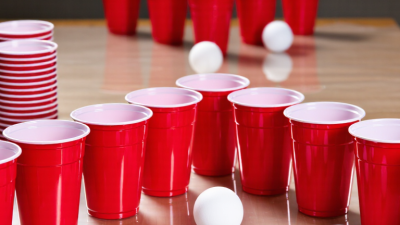
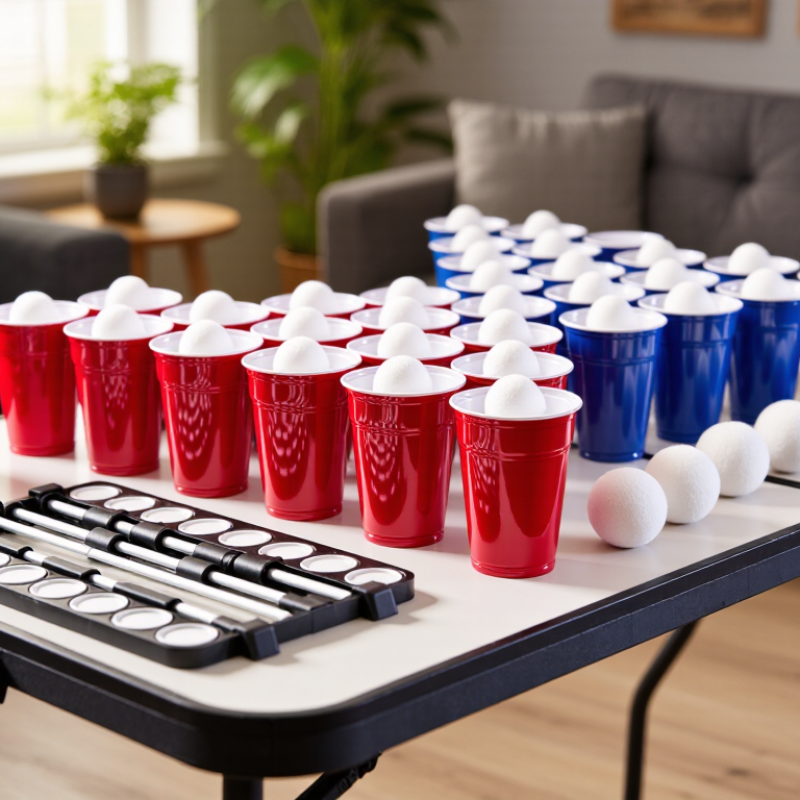
A typical beer pong set contains 20 cups, two ping-pong balls, and sometimes a plastic or metal rack. The cups are usually arranged in two triangular formations, with ten on each side. Some sets include extra cups, replacement balls, or a carrying case. A table is often sold separately, so check the product list before buying. Cup capacity and material vary; there is no single universal set specification.
For a practical setup, look for cups that hold their shape when filled and balls that feel evenly round. A rack helps keep the cup formation neat, though it is not essential. Reusable cups are easy to wash, but thin plastic cups can crack or tip. The U.S. Environmental Protection Agency’s 2018 Facts and Figures report estimated that containers and packaging made up 82.2 million tons, or 28.1%, of U.S. municipal solid waste. That figure covers many materials, not beer pong cups alone, but it is a useful reminder to consider reuse.
Tips: Count the cups and balls, confirm whether a table is included, and check cup dimensions. A small detail, easily missed. If cleanup matters, choose washable cups and keep a spare ball nearby.
What a Beer Pong Set Typically Includes
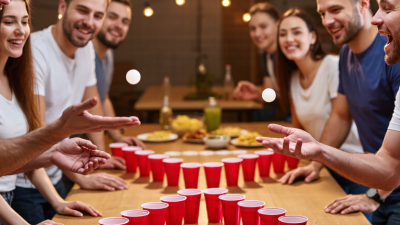
Typical setup: A standard game uses 10 cups per side and two ping-pong balls. Some sets also include a triangle rack and rinse cups. Set contents vary, and cups may be disposable or reusable; beverages are not included.
Key Factors for Comparing Beer Pong Sets
When comparing beer pong sets, check table fit, cup capacity, ball size, and how easily the pieces pack away. A set that looks complete online may feel flimsy on a folding table. Measure your usual playing surface before buying, and check whether the listed dimensions describe the table or only the mat. Small detail. It matters.
Material affects cleanup and service life. Look for sturdy, washable cups and balls with smooth surfaces and no sharp seams. If the set includes a mat, check whether it grips the table and wipes clean without soaking up spills. The U.S. Environmental Protection Agency reported that plastics made up 35.7 million tons of U.S. municipal solid waste in 2018, with 8.7% recycled (EPA, Advancing Sustainable Materials Management: 2018 Fact Sheet). That national figure does not measure party-game products, but it supports considering reusable components over frequent replacements.
Also compare cup count, replacement availability, and storage. A compact case helps keep balls together; loose pieces have a way of disappearing. Check the product’s care instructions and material details rather than relying on photos alone. I’d prioritize durability and easy cleaning over extra accessories, though that preference depends on how often the set will be used.
Common Beer Pong Set Types and Their Uses
Classic party sets usually include ten cups per side, lightweight balls, and a rack or carrying case. They suit kitchens, patios, and casual gatherings where quick setup matters. Check cup stability and ball bounce; thin plastic can tip on a slick table. Simple sets are easy to replace, but often lack a proper surface.
Foldable-table kits work better for parks, tailgates, and small apartments. Their built-in markings help keep cup positions consistent, though uneven ground can still make play awkward. Tournament-style sets add a regulation-size table and sturdier cups. Rules differ between organizers, so confirm dimensions before buying for a formal event. LED sets add visibility for evening play, but batteries and cleaning can become a nuisance.
Reusable cups are common, yet durability still matters. The US Environmental Protection Agency’s 2018 Advancing Sustainable Materials Management report estimated that 35.7 million tons of plastic entered the US waste stream; only 8.7% was recycled. That figure covers all plastic, not beer pong sets, but it supports choosing washable, long-lasting pieces over flimsy disposables. A smaller kit may be enough. I might still choose a foldable set for portability, even if its table feels less steady.
What Are the Best Beer Pong Sets to Buy? — Common Beer Pong Set Types and Their Uses
| Set Type |
Typical Setup |
Best For |
Advantages |
Things to Consider |
| Classic Home Set |
Usually includes reusable cups and ping-pong balls; players provide a suitable table. |
Casual games at home, parties, and occasional use. |
Simple to store, easy to replace individual pieces, and generally suitable for a range of tables. |
Check the cup count and material. A common game setup uses 10 cups per side, but house rules vary. |
| Folding Tournament-Style Set |
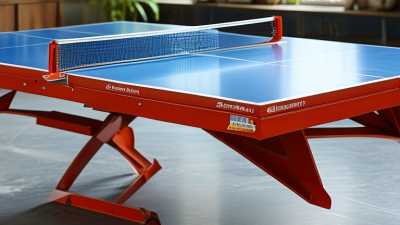
A folding table, commonly around 8 ft long by 2 ft wide, paired with cups and balls. |
Organized games, regular play, and events with space for a dedicated setup. |
Provides a consistent playing surface and can fold for storage or transport. |
Confirm the table dimensions, folded size, weight, and whether the playing surface is designed for outdoor use. |
| Portable Roll-Up Set |
A flexible mat or surface covering used on top of an existing table, often supplied with cups and balls. |
Travel, camping, and temporary games where a full-size table is not practical to transport. |
Lightweight and compact; can adapt an available flat surface for play. |
It does not provide its own rigid table. The underlying surface should be stable, level, and large enough. |
| Tabletop or Mini Set |
A smaller playing surface with scaled-down cups and balls. |
Limited spaces, indoor recreation, and quick casual games. |
Requires little room and is easy to set up and put away. |
Its smaller scale differs from full-size play, so it may not suit players seeking standard table dimensions. |
| Glow or LED Set |
Glow-in-the-dark or battery-powered illuminated cups, balls, or table features. |
Evening parties and low-light settings. |
Makes the playing area easier to see in dim conditions and adds a visual effect. |
Check whether lights need batteries or charging, and follow the maker’s cleaning and water-exposure instructions. |
| Reusable Cup Set |
Durable, washable cups sold with or without balls; used with a separate table. |
Frequent play and hosts who prefer reusable equipment. |
Can be washed and used again, reducing reliance on disposable cups. |
Verify that cups are food-safe and dishwasher-safe if that matters to you; use a separate cup for drinking if desired. |
Buying tip: Choose a set based on available space, how often it will be used, and whether a table is included. Cup counts, table dimensions, and house rules can vary between sets and players.
How to Match a Set to Players, Space, and Budget
The best beer pong set depends less on flashy extras than on who will use it and where it will sit. For occasional games with two to four players, lightweight cups and a few spare balls may be enough. Larger groups benefit from extra cups, but check that the set includes a way to store them neatly. Small detail. Worth checking.
Measure your playing surface before buying. A full-size table can feel cramped in a small room, while a compact set is easier to carry to a picnic or family gathering. Look for sturdy, reusable cups that resist tipping on smooth surfaces. If the game is played indoors, use water in the cups and keep drinks separate; spills are easier to manage. I may overvalue portability, but a set that is awkward to pack often stays in the cupboard.
Set a budget around how often you expect to play. A basic kit suits occasional use, while frequent games may justify thicker cups and replacement balls. Read the dimensions and materials carefully, since photos can make a small set look full-size. Avoid paying extra for accessories you will not use. A modest set can be the better choice.
Features to Check Before Buying a Beer Pong Set
A useful beer pong set should fit the way you plan to play, not just look complete in a product photo. Check the table’s length, width, and folded size before buying. A full-size surface needs room to stand and move around; a compact version may suit a patio or small game room better. Look for sturdy legs, secure locking joints, and a surface that wipes clean. That matters. A slight wobble can send cups sliding, even during a casual game.
Check what comes in the box. Cups should feel firm enough to hold their shape, and the balls should be smooth, round, and easy to rinse. Some sets include only the basics, while others add racks or a carrying case. Small detail, big difference. If storage space is limited, measure the case rather than guessing from the listing. Also check whether replacement pieces are easy to find.
Materials affect durability and cleanup. A sealed tabletop usually handles spills better than unfinished wood, though no surface should be left wet for long. Foldable sets are convenient, but hinges and handles deserve a close look in photos and product descriptions. I would not choose by accessory count alone; a few flimsy extras are less useful than a stable table. Reviews can help, but consider how and where people used the set. A checklist cannot predict every wobble or scratch.