10 Tips for Buying the Best Beer Pong Glasses

Choosing Beer Pong Glasses can seem simple until cups slide across a damp table, tip too easily, or feel awkward to wash. The right set should suit the way you host, not just look good in a product photo. Small details matter. Check the cup’s capacity, rim shape, base stability, and material before buying. Then consider whether the glasses are reusable, easy to clean, and sturdy enough for regular gatherings. Product descriptions can be useful, but dimensions and care instructions tell you more than bright colors alone.

These ten tips focus on practical checks you can make before placing an order. Compare cup sizes with your available table space, inspect customer photos for signs of flimsy walls, and look for clear washing guidance. If you plan to use the glasses outdoors, a stable base and durable construction may matter more than a decorative finish. For frequent events, replacement availability is worth checking too. A low price can be tempting, but it may not be a bargain if cups crack after a few uses. I can’t say there is one perfect choice for every host; preferences and budgets differ, and some listings leave important details unclear. That deserves a second look. Use the guide to weigh those trade-offs calmly and choose Beer Pong Glasses that fit your space, cleaning routine, and expected use.
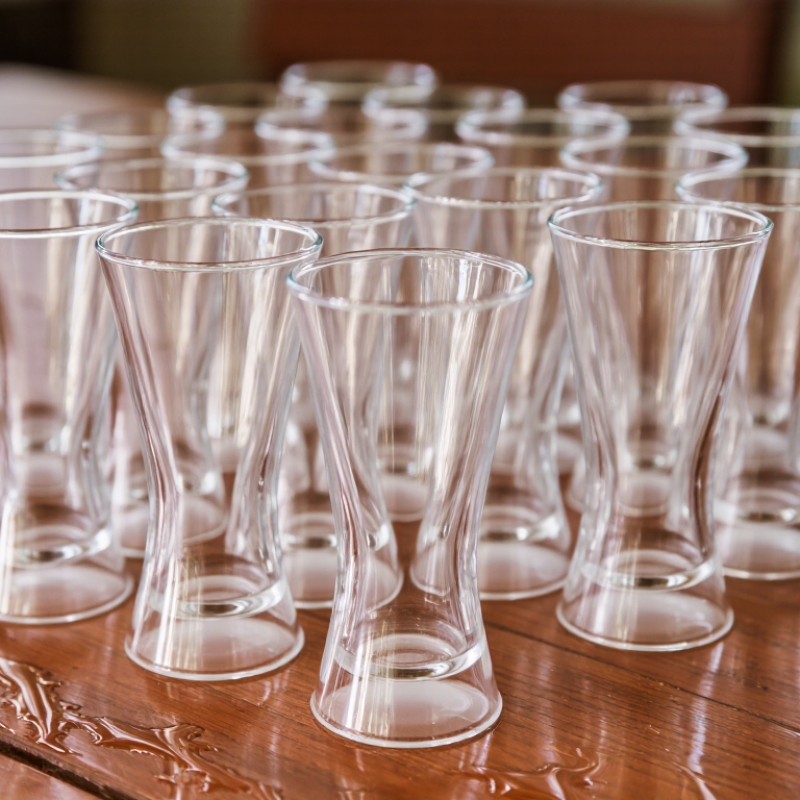
10 Tips for Buying the Best Beer Pong Glasses

Understanding Beer Pong Glasses and Their Role in the Game

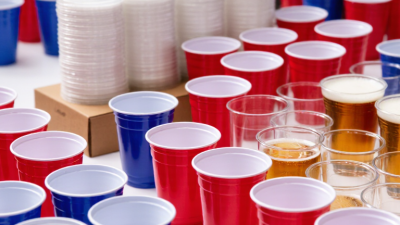
Beer pong glasses are more than targets on a table. Their shape, weight, and material affect how the game feels. A wide opening makes a cup easier to aim at, while a steady base helps prevent accidental tipping. Small differences matter. A crowded table can turn a flimsy cup into a nuisance.

Look for glasses that are easy to see against the playing surface. Clear cups show the liquid level, but bright colors may stand out better in a dim room. Smooth rims and even sides make cups simpler to rinse and stack. If you plan to use them repeatedly, sturdy, washable materials can be more practical than thin, single-use cups. Check that the cups sit flat; a slightly warped base can wobble on a smooth table. That detail is easy to miss. Cup size also changes spacing, so a set that fits your table helps keep the layout consistent. There is no perfect choice for every game. I’d check the actual dimensions before buying, because product photos can make cups look larger than they are. A quick test on your table tells you more.
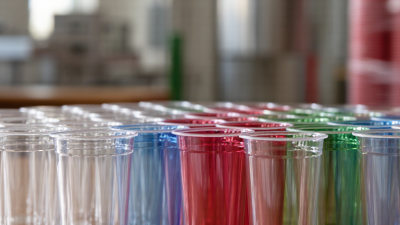
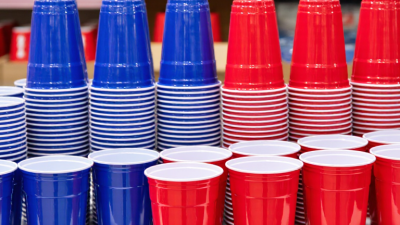
Comparing Glass Materials, Durability, and Safety

Beer pong glasses vary in weight, clarity, and break resistance. Glass feels substantial and does not hold odors easily, but it can chip or shatter on a hard floor. Lightweight plastic is easier to carry and less likely to break, though thin walls may flex or retain scratches. Reusable, food-grade plastic offers a practical middle ground. Check that the material is labeled for food contact, and avoid cloudy or cracked pieces. Small details matter.

Tip: Compare the rim and base before buying. A smooth rim is more comfortable to drink from, while a wide, stable base is less likely to tip during setup. Thick glass may feel sturdy, but added weight does not guarantee safety if it falls. Plastic can also wear down; replace pieces with deep scratches or rough edges, since they are harder to clean well. Rim thickness is easy to overlook, so check it twice.

Tips for safer use: Wash new glasses before their first use, then follow the maker’s cleaning instructions. Keep glass away from tile or concrete when possible, and clear broken pieces with tools rather than bare hands. No material is indestructible. I might choose plastic for crowded gatherings, even if glass looks nicer on the table.

Beer Pong Cup Materials: Typical Density

Lower-density plastics are lighter to handle, while glass is substantially denser and can break if dropped. Density alone does not determine durability or safety: check that reusable cups are labeled for food contact, and follow their care instructions. Values are typical approximate material densities; actual formulations may vary.

Choosing the Right Capacity, Shape, and Size

Capacity affects both play and cleanup. A cup holding about 16 ounces gives room for a stable fill without sitting nearly empty on the table. For scale, NIAAA defines a U.S. standard beer serving as 12 fluid ounces at 5% alcohol; that is a reference point, not a target for filling game cups. Check capacity to the brim and practical fill line, since those measurements differ. A narrow base can also help cups sit neatly in a triangle. They still tip. I have found that a “large” label tells little without a stated ounce measurement.

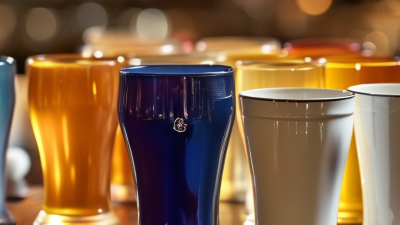
Shape matters more than decoration. The Brewers Association’s 2023 Beer Style Guidelines describe glassware choices that vary with beer style, reflecting how shape can influence aroma and head retention. For a party setup, prioritize a wide, stable base and a rim that is easy to rinse, rather than a delicate stem or sharply tapered profile. Compare dimensions, too: a cup around 4 inches wide may crowd a small table, while a taller, narrow cup can feel top-heavy when moved. These are practical checks, not universal specifications. Choose sturdy, reusable cups with clearly listed dimensions, and test one filled cup on the actual playing surface before buying a full set.

10 Tips for Buying the Best Beer Pong Glasses - Choosing the Right Capacity, Shape, and Size

Compare cup capacity, shape, dimensions, and practical features before choosing a set. Dimensions are approximate examples; actual measurements vary by cup design.

Tip What to Check Useful Guide Why It Matters
1. Choose a familiar capacity Capacity per cup A 16 US fl oz (473 mL) cup is a common party-cup size. Smaller 12–14 fl oz (355–414 mL) and larger 18–20 fl oz (532–591 mL) options are also available. A consistent, familiar capacity makes setup and serving easier. Confirm whether the stated capacity is to the rim or to a marked fill line.
2. Match the cup to your table setup Rim diameter and overall height A typical 16 fl oz tapered party cup may be about 4.5–5 in (11–13 cm) tall, with a rim around 3.5–3.8 in (9–10 cm) wide. Dimensions affect how cups fit together in a triangle and how much table space the arrangement uses. Check the seller’s measurements when an exact fit matters.
3. Look for a stable base Base width and cup balance Many tapered cups have a base narrower than the rim. Choose a cup that sits flat and does not wobble easily on a level surface. A stable base helps reduce accidental tipping during setup and ordinary handling.
4. Consider a moderate taper Shape from rim to base A gently tapered cup is easy to stack and store. A straight-sided design can offer a different feel, but may take up more storage space. Shape influences how cups nest together and how compactly a set can be stored.
5. Select material for the occasion Disposable or reusable construction Common options include lightweight disposable plastic and thicker reusable plastic. Avoid ordinary glass for active party games because it can break if knocked over. Material affects durability, cleanup, storage, and suitability for repeated use.
6. Check the rim finish Smoothness and edge consistency Look for an even, smooth rim without visible cracks, sharp edges, or rough molding. A well-finished rim is more comfortable to handle and can indicate more consistent manufacturing.
7. Decide whether markings are useful Fill lines or measurement marks Some cups include molded or printed volume marks; many basic party cups do not. Verify the marked volume rather than assuming it matches the cup’s total capacity. Marks can help make pours more consistent, especially when serving different drink amounts.
8. Think about storage and transport Stackability and nested height Compare how many cups nest together and whether the stack fits your storage container or event kit. Stackable cups are easier to carry and store, particularly when buying a larger set.
9. Review care and reuse instructions Cleaning guidance and stated durability For reusable cups, follow the manufacturer’s cleaning instructions. Do not assume a plastic cup is dishwasher-safe unless its care information says so. Proper care helps preserve the cup and avoids damage from unsuitable washing or heat.
10. Buy the right quantity Set size and replacement needs Count cups for the planned setup and consider keeping a few clean extras. Compare the number of cups in each pack before purchasing. Having enough cups makes setup simpler and provides replacements for cups that become damaged or soiled.

Capacity conversions use 1 US fluid ounce ≈ 29.57 mL. Cup dimensions are illustrative ranges, not universal specifications; check product measurements before ordering.

Checking Stability, Ease of Cleaning, and Reusability

Beer pong glasses take plenty of knocks, so check how they behave on a real table. A wide, flat base usually feels steadier than a narrow one, especially on a slightly uneven surface. Set an empty glass down and give the table a gentle bump. Does it wobble? That small test can reveal more than a product photo. Thicker walls may resist everyday handling, but extra weight can make a full cup harder to move safely.

Tip: Check stability and cleaning before choosing. Look for a smooth interior with no deep seams or sharp corners where residue can collect. A glass that opens wide is easier to wash by hand and inspect afterward. If it is dishwasher-safe, confirm the care instructions rather than guessing. Warm water and a soft sponge are often enough. Scratches matter.

For reuse, choose material suited to how often the glasses will be handled and washed. Durable, reusable plastic can be practical for casual gatherings, while glass is heavier and needs more careful storage. Check for cracks, cloudy patches, or loose rims before serving drinks. One flaw I sometimes overlook is how awkward a cup feels when stacked; test a small stack if storage space is tight. Easy to clean is useful. Easy to store helps too.

Evaluating Sets, Accessories, and Overall Value

A useful beer pong glass set should feel consistent, not merely look complete. Check that the cups have similar sizes and rims, since mismatched pieces can make setup feel uneven. A wide base helps reduce tipping on a slick table. Look for smooth, sturdy plastic with no sharp edges or strong chemical odor. These details are easy to overlook.

Accessories can add value when they solve real setup problems. A compact rack or carrying case keeps pieces together between games, while a small ball pouch prevents loose balls from disappearing into a drawer. Check whether included items are durable and easy to clean. Extras are not automatically useful. A bulky case may take more cupboard space than the cups themselves, and a flimsy rack may bend after repeated use.

Compare the full set price with the number of usable cups and the cost of replacing damaged pieces. Reusable cups may offer better value over time, but only if they hold their shape after washing. Check the care instructions before buying; some plastics can warp in hot water. Also consider storage space and how often the set will be used. Paying more for accessories you rarely need can be a poor trade, even when the package looks generous. My own buying instinct tends to favor a larger set, though that is not always the practical choice.