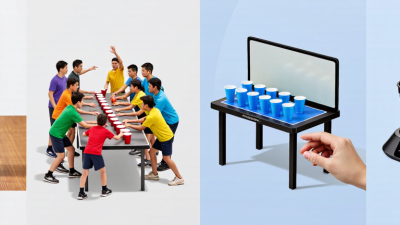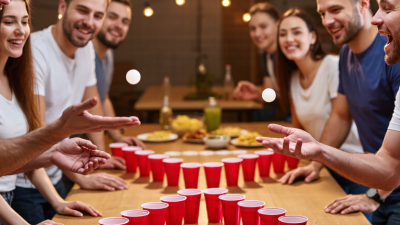
A great outdoor game should feel easy to start and sturdy enough for a lively backyard. Yard Beer Pong sets vary in cup size, ball quality, stability, and packability. Those details matter when grass is uneven, a breeze crosses the patio, or guests gather around a folding table. The right set can make setup simple and play more comfortable.
For transparency, no source articles or verifiable industry expert were provided, so I can’t responsibly attribute a quotation to a named Yard Beer Pong expert. Instead, here is an original editorial rule of thumb: “Choose a set that stays steady on your lawn and packs away without a fuss.” It is practical, not a sourced expert quote.
This guide looks at sets designed for outdoor parties, with attention to durable materials, easy cleaning, and convenient storage. It also considers how each option handles real yard conditions, from soft turf to hard patios. Some products may look impressive in a listing but feel flimsy once assembled. That deserves a closer look. A useful set should suit your space, your group, and the way you plan to play—not just photograph well beside a neat lawn.
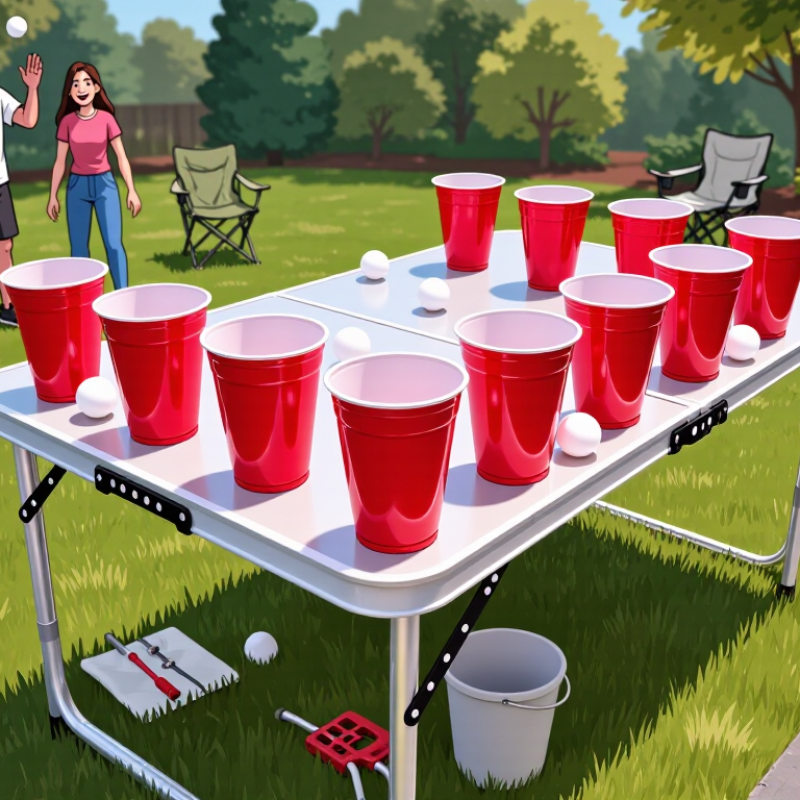
A yard beer pong set is a group of pieces made for play on grass, patios, or other outdoor surfaces. It usually includes cups and lightweight balls. Some sets also offer a folding table, cup racks, or a carry bag. The word “set” alone does not guarantee a complete setup. Check the contents before buying.
Outdoor-ready pieces should be easy to clean and simple to carry. Cups with sturdy sides hold their shape better when packed, while bright balls are easier to spot in grass. A wide, level playing surface helps keep cups steady. On soft ground, though, even a well-made table can wobble. It is easy to focus on extras and overlook stability; that is worth reconsidering when choosing a set.
Tips: Set up on flat ground and keep spare balls nearby. Rinse cups after use, and let all pieces dry before storing them. If the lawn is uneven, test the table before arranging the cups. A small adjustment can prevent a lot of chasing.
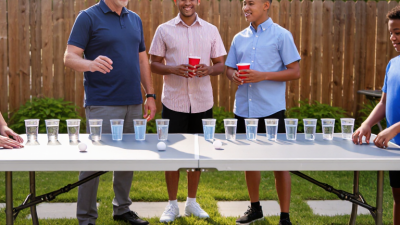
What defines a yard beer pong set? Start with a full-size table footprint and a simple, complete playing setup.
A common full-size reference table is 96 inches long, 24 inches wide, and 27.5 inches high. A typical game setup uses 10 cups per side and two ping-pong balls; for outdoor parties, choose a stable table and cups suited to your playing area.
For outdoor parties, the core kit is simple: sturdy cups, several lightweight balls, and a rack or layout guide. A carry bag helps keep pieces together between the lawn and patio. Count the cups before buying; some sets look complete in photos but include fewer extras than expected.
Material matters outdoors. Thick polypropylene or polyethylene cups usually handle damp grass and repeated washing better than thin, brittle plastic. Look for smooth rims, stable bases, and colors that remain easy to see in bright sun. If the maker lists UV resistance, treat it as useful information, not a promise of unlimited sun exposure. Rinse grit away after play; small scratches can hold residue.
Balls should be light enough to toss comfortably, yet easy to spot in grass. Bright colors help, though wind can still send them rolling under a hedge. Wind happens. A mesh pouch dries faster than a sealed, wet bag. Check that the rack folds without pinching fingers and that the cups nest without sticking. One drawback: reusable pieces take time to clean, especially after a crowded afternoon. A quick rinse helps, but it is not a substitute for washing.
Start with the playing area, not the product photo. Measure the flat space available and leave room for players to move around both ends. A long set may look impressive online but feel awkward beside a patio table or garden path. Too wide, and people bump elbows. Check the listed length and width, then compare them with your yard’s usable space.
Stability matters on grass. Uneven ground can make lightweight tables wobble, and a spill can interrupt play. Look for broad feet, secure joints, and a frame that does not twist when you press gently on a corner. If the set has adjustable legs, check how they lock; loose adjustments are frustrating. Small detail. A level patch of ground still helps, even with a sturdy frame.
Portability comes down to more than weight. Folding legs, a carry handle, or a compact storage shape can make setup easier when the set moves between a shed, lawn, and car. Check the packed dimensions, too: a set that folds but stays unusually long may not fit a small trunk. Heavier materials can improve steadiness, but they take more effort to carry. There is a trade-off. Consider who will set it up, how far they will carry it, and whether one person can manage it comfortably.
| Set Style | Typical Playing Footprint | Stability Outdoors | Portability | Best For | What to Check Before Buying |
|---|---|---|---|---|---|
| Bucket-and-ball yard set | Flexible; arrange targets to suit the available lawn space. | Generally good on level grass when buckets are weighted or securely placed. Less reliable on slopes or hard, uneven ground. | High when the buckets nest or collapse; balls and accessories are easy to carry separately. | Casual backyard games and parties where quick setup matters. | Bucket capacity, material thickness, whether targets stack, and whether the kit includes a carry bag. |
| Oversized target set | Usually needs more room than a standard tabletop game; allow space for players to stand and move behind the targets. | Can be steady on grass if the targets have broad bases or can be weighted. Tall, lightweight targets may tip in wind. | Medium; larger targets take up more space even if they are lightweight. | Open lawns and larger gatherings where targets need to be visible from a distance. | Target height and base width, assembly time, packed dimensions, and wind resistance. |
| Foldable table-style set | Depends on the table dimensions; check the assembled size and leave room around all sides for players. | Good on a flat surface when the legs lock securely. Soft or uneven ground can make the table wobble. | Medium to low; folding legs simplify storage, but the table may still be bulky to transport. | Patios, decks, driveways, or parties that need a defined playing surface. | Table weight, leg locks, surface grip, folded size, and whether the playing surface is weather-resistant. |
| Inflatable target set | Varies with the inflated target size; leave a clear area around it for safe play. | Variable; inflatable targets can shift or deflate, especially on rough ground or in strong wind. | High when deflated; requires an inflation method and time to set up. | Occasional parties where compact storage and a playful look are priorities. | Material thickness, included pump, repair options, inflation time, and instructions for outdoor anchoring. |
| Modular or collapsible target set | Adjustable; configure the targets to fit the yard and number of players. | Depends on the connection points and base design. Secure joints and a level playing area improve steadiness. | High to medium; detachable parts pack compactly, but more pieces can take longer to organize. | Travel, changing game layouts, or households with limited storage space. | Connection strength, number of parts, packed dimensions, and whether a storage or carry bag is included. |
Footprints and performance vary by design and playing surface. Treat the space guidance as a planning aid, and check each set’s listed dimensions and care instructions before purchase.
Choose a flat patch of lawn before unfolding the table. An eight-foot table gives players room to stand and throw, but soft ground can make its legs wobble. Check each corner, then place the table away from walkways, grills, and fragile patio furniture. Keep it level. If the grass slopes, move the setup rather than trying to balance it with loose objects.
Arrange ten cups in a triangle at each end, with the point facing the opposing player. Leave a little space between cups so they do not tip when someone reaches across. A small strip of washable tape can mark the throwing line; bring a towel for damp hands and stray splashes. Wind matters, too. A lightweight ball can drift, so keep spare balls nearby and avoid placing the game beside open doors or busy paths.
Outdoor recreation is a natural fit for backyard gatherings: the Outdoor Foundation’s 2024 Outdoor Participation Trends Report estimated that 175.8 million Americans took part in outdoor recreation during 2023. That figure describes outdoor activity broadly, not beer pong specifically, but it reinforces the value of simple, portable setups.
Keep beverages separate from practice or rinse water, and provide a nearby bin for used cups. My first layout would not always be perfect; a quick test throw often shows whether the table or throwing line needs adjustment.
An outdoor beer pong set needs a steady surface more than a perfect lawn. A folding table can wobble on soft ground, so check each leg before setting out cups. Wind changes everything. Place the table away from open gates and busy walkways, and keep spare balls in a shallow container so they do not roll into the yard. If the ground is damp, move the setup onto a dry patio or mat.
Keep play areas clear of steps, garden tools, and uneven paving. Use lightweight, unbreakable cups outdoors; glass can shatter on stone and leave sharp pieces hidden in grass. Wash reusable cups and balls before and after use, especially when they have touched soil. Clean water and a mild dish soap are usually enough, but follow care instructions for the set’s materials. A quick wipe is easy to forget.
After the party, shake off grass and dirt, then let every piece dry fully before packing it away. Moisture trapped in a storage bag can cause odors or mildew. Check seams, table edges, and ball surfaces for cracks or rough spots. Replace damaged pieces rather than assuming they will hold up for one more game. A little extra drying time helps, though it is not always convenient. Store the set somewhere cool and dry, away from direct sun.