Top Toy Packaging Box Trends for Global Buyers?
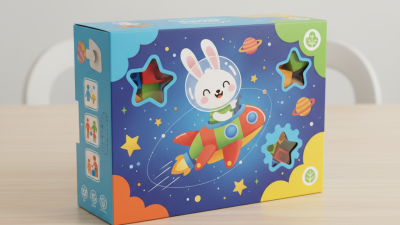
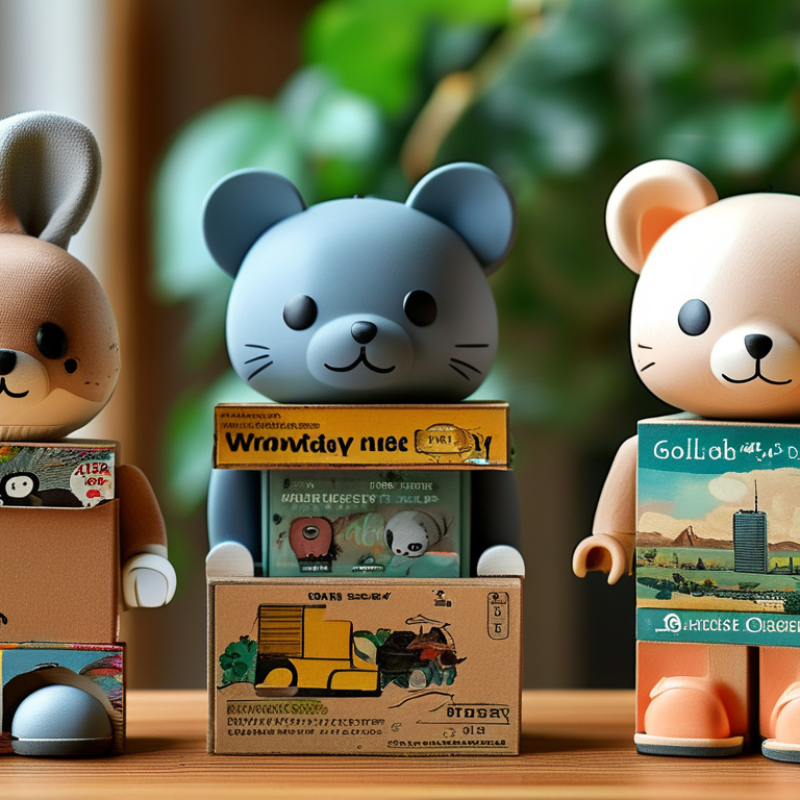
In recent years, the landscape of toy packaging has evolved significantly. Manufacturers and designers now prioritize both aesthetic appeal and functionality in their Toy Packaging Box designs. Each box serves as more than just a protective cover; it is a marketing tool that captures attention on the shelves.
Global buyers are increasingly aware of packaging trends. They look for boxes that tell a story and reflect sustainable practices. Vibrant colors, interactive features, and unique shapes draw in both children and parents. However, some designs fall short, focusing too much on looks over functionality. This can lead to buyer frustration and reduced product satisfaction.
The challenge lies in balancing creativity with practicality. As the market grows, the demand for innovative Toy Packaging Boxes will increase. Companies need to adapt and learn from past mistakes. Attention to detail can make all the difference in delivering a successful product.
Emerging Eco-Friendly Materials in Toy Packaging Design
The toy packaging industry is evolving, with eco-friendly materials taking center stage. According to a recent report by Smithers Pira, the global market for sustainable packaging is projected to reach $400 billion by 2025. This trend reflects a growing consumer demand for environmentally responsible products, particularly among parents conscious of their purchasing choices.
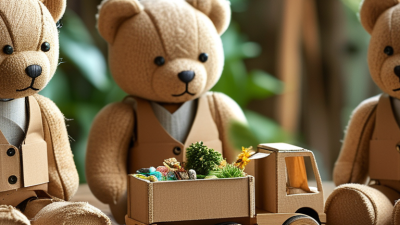
Biodegradable materials like PLA (polylactic acid) are gaining traction. These materials can decompose under industrial composting conditions, minimizing landfill impact. Companies are also exploring recycled cardboard and paper. These alternatives not only reduce waste but also resonate with eco-minded consumers. In fact, surveys show that 72% of parents prefer toys packaged in sustainable materials.
Yet, challenges remain. The durability of eco-friendly packaging can be a concern. Some materials may not offer the same protection as traditional options, leading to potential damage. Additionally, not all consumers fully understand the benefits of these materials. Education on sustainable packaging continues to be a critical hurdle to overcome. Embracing these shifts while addressing these gaps is part of the ongoing journey in sustainable toy packaging design.
Innovative Designs: Attracting Attention on Store Shelves
In the competitive toy market, innovative packaging designs play a crucial role in attracting consumers. Research shows that up to 70% of purchase decisions are made in-store. Eye-catching packaging can drive impulse buys significantly. Unique shapes, vibrant colors, and interactive elements can make a box stand out on shelves.
One effective trend is using sustainable materials. Reports indicate that over 60% of parents consider eco-friendly packaging important when buying toys. Brands are adopting biodegradable or recycled materials, showcasing their commitment to sustainability. This design choice not only attracts eco-conscious buyers but also enhances brand image.
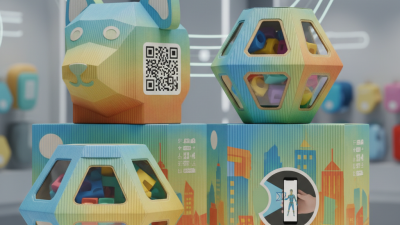
Tips: Use bold typography and clear images to communicate features quickly. Ensure all packaging elements work synergistically to create an appealing unboxing experience. Consider adding QR codes that link to engaging, interactive online content.
Ultimately, while innovative designs can catch the eye, it is vital to maintain functionality. Packages must protect the product while being easy to open. Reflecting on how consumers interact with packaging can lead to improvements and greater satisfaction. Balancing creativity with practicality is essential for long-term success in this dynamic industry.
The Role of Functionality in Modern Toy Packaging Solutions
In the evolving toy industry, functionality in packaging plays a crucial role. According to a recent report by Smithers Pira, around 75% of consumers consider packaging functionality when making a purchase. This statistic highlights how essential it is for packaging to not only attract attention but also serve practical purposes. Features such as easy-open designs and reusable packaging enhance user experience, making them key considerations for manufacturers.
Sustainable practices are increasingly influential as well. Research from MarketWatch indicates that the global sustainable packaging market is projected to reach $650 billion by 2027. This growth emphasizes the demand for eco-friendly materials in toy packaging. Buyers are more conscious of waste. Therefore, brands that implement compostable or recyclable options appeal strongly to modern consumers. Achieving the balance between aesthetic appeal and functionality remains a challenge.
Amid all these trends, there are concerns. Not all packaging options offer the desired durability. Reports show that nearly 30% of consumers encountered damaged toys due to inadequate packaging. This suggests a need for more robust solutions. Understanding these complexities can help brands improve their designs, ensuring that both functionality and aesthetics align with consumer expectations.
Top Toy Packaging Box Trends for Global Buyers
This chart illustrates the key trends in toy packaging emphasizing their importance to global buyers. Sustainability and safety standards rank highest, showing a significant shift toward eco-friendly and secure packaging solutions in the toy industry.
Cultural Influences on Global Toy Packaging Trends
Cultural dynamics shape toy packaging trends globally. Packaging serves more than just a functional purpose. It reflects cultural values and ideals. For instance, eco-friendly packaging resonates well in regions with a strong emphasis on sustainability. A report from Smithers Pira indicates that the sustainable packaging market is set to grow by 7% annually, highlighting the increasing global demand for environmentally conscious products.
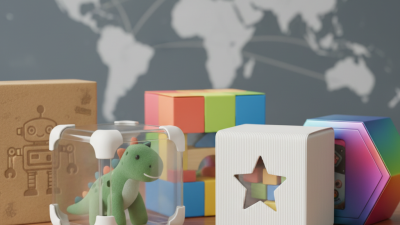
Color schemes, graphics, and textures vary widely across different cultures. In Japan, minimalistic designs appeal to consumers, while vibrant and playful designs dominate in Latin America. Each cultural influence can dictate these preferences. A recent study by Mintel shows that 68% of consumers consider product packaging before purchase, illustrating its significant impact.
Consumer behavior fluctuates based on regional trends. Some regions prioritize educational toys, leading to informative packaging that explains product benefits. In contrast, others focus on entertainment value, pushing for brightly colored, eye-catching designs. Reflection on these trends reveals a need for brands to adapt packaging strategies. Adapting to cultural preferences isn’t straightforward, as misinterpretations can occur. Balancing universal appeal with cultural nuances remains a complex challenge for global toy brands.
Sustainability Initiatives: Reducing Waste in Packaging Practices
The toy industry is evolving, with sustainability becoming a priority. Many manufacturers are now focusing on reducing waste in packaging practices. Innovative solutions are being explored, such as biodegradable materials and minimalistic designs. This shift not only helps the planet but also appeals to eco-conscious consumers.
Tip: Consider using recycled materials for packaging. This reduces landfill waste and can often cut costs. Focus on sourcing from local suppliers to minimize the carbon footprint.
Another interesting approach is the design of reusable packaging. Instead of viewing boxes as one-time use, brands can encourage kids to repurpose. This not only makes the packaging more functional but also enhances the toy's overall experience. Parents may appreciate creative ideas that teach children about sustainability.
Tip: Engage users by incorporating educational elements in the packaging. Simple tips can transform a toy's packaging into a learning opportunity. The right message can inspire both children and parents to embrace eco-friendly habits.