Why Is Halloween Beer Pong a Popular Party Game?
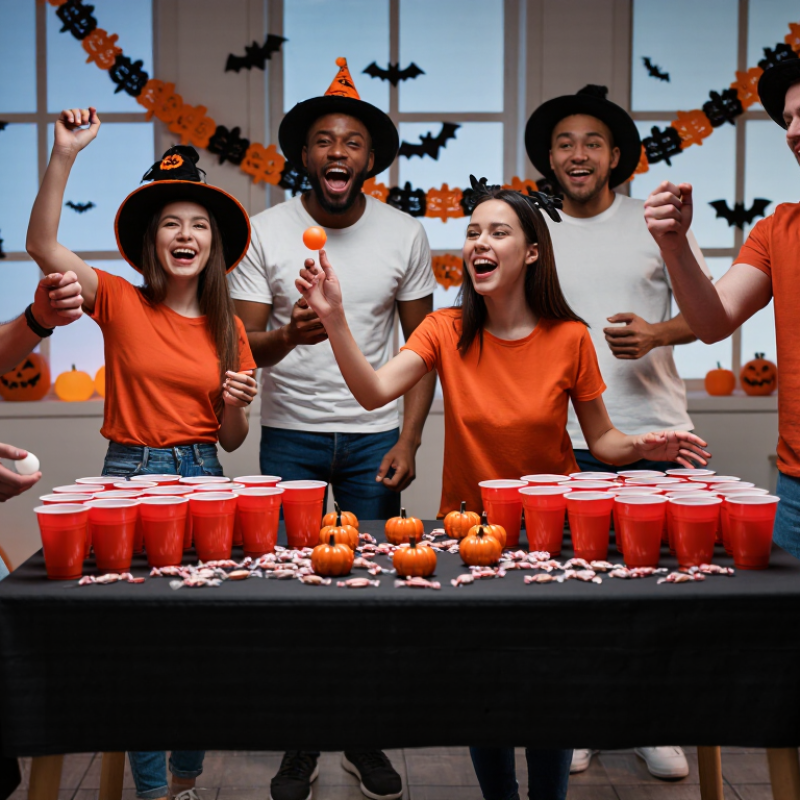
Halloween parties thrive on simple activities that give guests an easy reason to gather, laugh, and join in. Halloween Beer Pong fits that format: the cups, table, and themed decorations are instantly recognizable, while the rules can be explained quickly. A black tablecloth, orange cups, and a bowl of wrapped sweets can create a festive setup. The appeal is social, not complicated. That helps.
The National Retail Federation’s 2024 Halloween survey found that 72% of U.S. consumers planned to celebrate, with expected seasonal spending reaching a record $11.6 billion. The report measures Halloween participation and spending, not beer pong specifically. It offers useful context, not proof that this game ranks among the most popular party activities. That distinction matters. Halloween Beer Pong may appeal to groups because it is customizable, inexpensive to set up, and easy to adapt for different guests. Hosts can use water or nonalcoholic drinks, make participation optional, and explain the rules clearly. Those choices can make the activity more welcoming. Still, a fast, familiar game may sometimes crowd out quieter guests. A considerate host can offer music, snacks, or a low-key alternative. The best version feels festive, not forced. That balance helps explain why the game can work at Halloween gatherings, even when available industry data measures broader celebration trends rather than game-specific popularity.
What Halloween Beer Pong Is and How It Is Played
Why Is Halloween Beer Pong a Popular Party Game?
What Halloween Beer Pong Is and How It Is Played
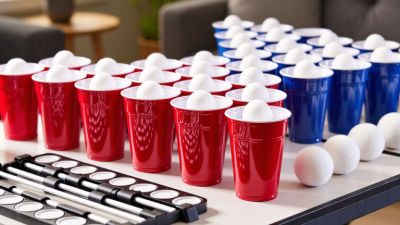
Halloween beer pong is a themed version of a familiar tabletop tossing game. Two teams stand at opposite ends of a long table, with cups arranged in a triangle at each end. Players take turns tossing a lightweight ball toward the opposing cups. When a ball lands in a cup, that cup is removed. The first team to clear the other side wins. Rules vary, so agree on them before play begins. It can feel a little awkward at first.
For a Halloween setup, orange or black cups, paper spiderwebs, and a dimly lit table add atmosphere without changing the rules. Drinks do not have to be alcoholic; water or soft drinks can keep the game welcoming for more guests. The National Retail Federation’s 2024 Halloween survey estimated U.S. seasonal spending at a record $11.6 billion. That figure reflects broad interest in Halloween celebrations, not demand for this specific game. The distinction matters.
Tips: Keep the table stable and the throwing area clear. Use clean, easy-to-see cups, and set a simple rule for missed throws. Let guests skip turns without pressure. Keep it friendly. A crowded room can make aiming harder, and that is part of the fun—but it can also lead to spills.
Why Is Halloween Beer Pong a Popular Party Game? — What It Is and How It Is Played
| Topic |
What It Involves |
How It Is Played |
Why It Suits a Halloween Party |
| Basic setup |
A table, lightweight ping-pong balls, and cups arranged at opposite ends. Teams commonly have one or more players. |
Players take turns tossing or bouncing a ball toward the other team’s cups. Exact cup arrangements and house rules can vary. |
The setup is simple to dress with spooky colors, themed decorations, or costume-inspired details. |
| Objective |
A light skill-and-aiming challenge between opposing teams. |
When a ball lands in a cup, that cup is usually removed. A team generally wins by clearing the opponent’s cups first, subject to the agreed rules. |
The clear goal makes the game easy for guests to understand and follow, even in a busy party setting. |
| Turns and teamwork |
Players take turns aiming, watching the opposing team, and encouraging their teammates. |
Teams agree on the turn order and any special rules before starting. Common variations may include rules for bounced shots or cup rearrangement. |
Short turns and a visible target give other guests an easy way to cheer, watch, or join the next round. |
| Halloween theme |
Decorations, themed cup colors, costumes, and Halloween-inspired names or round rules. |
Hosts can add a theme while keeping the basic toss-and-target format unchanged. Decorations should not obstruct play or create tripping hazards. |
It connects a familiar party activity with the holiday’s costumes, playful competition, and spooky atmosphere. |
| Why it is popular |
A social game with straightforward equipment, simple turns, and flexible rules. |
Guests can watch a round before deciding whether to play, and hosts can adapt the format to the available space and group. |
It encourages interaction and friendly competition without requiring specialized equipment or a complicated setup. |
| Responsible play |
Beer pong is often played with alcohol, but alcohol does not have to be part of the game. |
Offer a non-alcoholic option, use separate cups for drinking and ball play, provide water, and let guests participate without pressure to drink. |
Flexible, alcohol-free play helps make the activity more welcoming to guests with different ages, preferences, or reasons for not drinking. |
Note: Beer pong rules differ between groups, so agree on the rules before play begins. Follow local age and alcohol laws, and never serve alcohol to anyone below the legal drinking age.
How Halloween Themes Make the Game More Festive
Halloween themes make beer pong feel like part of the party, not just a table game. Orange cups, paper bats, and a few soft, battery-powered lights can turn an ordinary corner into a playful scene. The National Retail Federation’s 2024 Halloween survey found that 72% of U.S. consumers planned to celebrate, with expected spending on decorations reaching $4.2 billion. That figure reflects broad enthusiasm for seasonal décor; it does not measure beer pong specifically. Still, it helps explain why themed details can feel familiar and inviting.
The best setup is easy to read from across the room. Try contrasting cup colors, a dark table runner, and small pumpkin-shaped markers for scorekeeping. Keep decorations away from the playing area, and use stable, unbreakable props. A little clutter can look messy. That’s worth admitting. A spooky theme works better when guests can still see the cups and move around comfortably. For a more inclusive game, offer nonalcoholic drinks or let guests use empty cups and soft balls. The mood comes from the colors, playful rules, and shared jokes—not from making the setup elaborate.
Why Halloween Beer Pong Feels Festive
Halloween traditions that set the scene for themed party games
Costumes, decorations, and Halloween parties are familiar parts of the holiday. Adding spooky cups, themed team names, or seasonal decorations can give beer pong a more festive feel. The survey below covers Halloween activities generally; it does not measure beer pong specifically.
Source: National Retail Federation, 2023 Halloween consumer survey. Percentages represent respondents planning each activity.
Why Simple Rules Help Guests Join In
Halloween beer pong often attracts a crowd because guests can understand the game before the music changes. The setup is easy to recognize: cups form a triangle at each end of a table, and players take turns tossing a ping-pong ball. Explain the basic aim in one sentence, then demonstrate a gentle throw. That small show-and-tell helps more than a long list of rules.
Keep the first round simple. Decide how many cups each team uses, where players stand, and what happens when a ball lands in a cup. A paper sign beside the table can answer questions without making anyone feel put on the spot. Newcomers can join as partners or watch one turn before playing. No memorizing needed. For a Halloween touch, add orange cups, paper bats, or a small bowl of wrapped sweets nearby.
Clear rules also make the game more welcoming. Let guests choose a nonalcoholic drink, or use water in the cups and keep drinks separate. Participation should feel optional, especially for people who do not know the group well. In practice, house rules can get muddled once several people offer suggestions. That is worth noticing: agree on the basics before play starts, and be willing to pause if someone looks unsure. A relaxed pace gives late arrivals time to join without interrupting the fun.
How Friendly Competition Encourages Socializing
Halloween Beer Pong can turn a crowded room into a shared activity. A striped tablecloth, paper bats, and a simple score sheet make the setup feel seasonal. Partners have an easy reason to talk: choose a team name, take turns, and cheer small wins. Even a missed shot can start a joke or a rematch. That helps. The game supplies a social script, especially for guests who do not know one another well. Keep rounds brief, rules simple, and participation optional. Offer water or nonalcoholic drinks, and never make drinking a condition of play.
The U.S. Surgeon General’s 2023 advisory, Our Epidemic of Loneliness and Isolation, cites research linking strong social relationships with
a 50% greater likelihood of survival.
This is population-level evidence, not proof that a party game improves health. Still, it explains why low-pressure interaction matters. Friendly scoring gives people a shared focus, while conversation can happen between turns.
There is a catch. A competitive table can leave quieter guests watching from the edge, and scorekeeping can become tedious. Rotate partners, invite guests to keep score together, and set out a nearby craft or snack station for anyone who prefers a slower pace.
What Makes It Adaptable to Different Halloween Parties
Halloween beer pong adapts easily because its setup is simple: a table, cups, and a ball. Hosts can change the details to suit the room, guest list, and mood. A narrow table works for a small apartment gathering, while a longer one gives larger groups more space to rotate. Keep walkways clear, especially when decorations dim the room.
Small changes matter. Try orange cups, paper bats, or a few battery-powered lights around the playing area. For guests with different comfort levels, offer water or a nonalcoholic drink in the cups; participation need not depend on alcohol.
Rules can shift, too. A casual party might use shorter rounds, while a competitive group may prefer agreed-upon turns and a simple score sheet. Explain the rules before play, since unclear house rules can slow things down.
That part is easy to overlook. You can also let people play in pairs or invent a gentle Halloween-themed challenge for missed shots. Keep the theme playful, not complicated: one or two visual touches usually feel more inviting than a crowded table. Not every group will enjoy the same pace, so leave room for spectators, conversation, and a quieter game nearby.