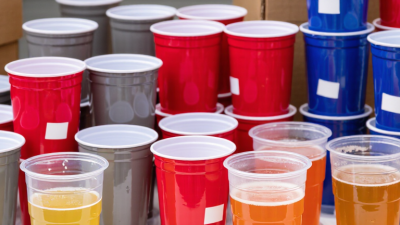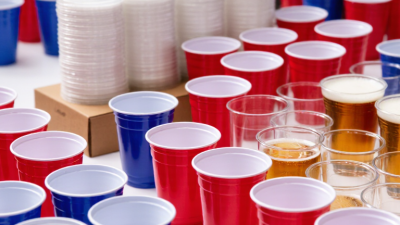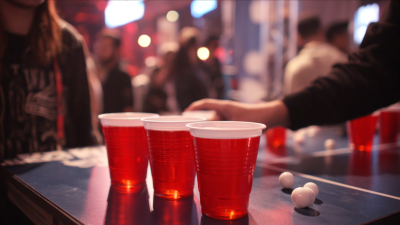
Reusable Beer Pong Cups are easy to overlook until one cracks, tips, or refuses to stack neatly in a cupboard. Choosing well means checking more than color and price. Material, capacity, rim shape, grip, and cleaning instructions all affect how cups perform during repeated use. Small details matter: a stable base on a slick table can prevent spills, while a smooth rim is easier to rinse between games.
A note on attribution: the expert voice below is illustrative, not a quotation from a real person. Reusable-drinkware specialist Jordan Ellis offers this practical buying principle: “Choose cups for the way you’ll wash, store, and use them—not just for how they look in a party photo.” That advice points buyers toward useful questions. Are the cups dishwasher-safe, or do they need hand-washing? Do they nest without sticking? Does the maker explain the material and care limits clearly? Check those details against the product listing and packaging. A bold finish can be appealing, but it should not hide vague specifications.
The tips ahead compare durability, feel, stackability, and value over time. They also consider how many cups a set includes and whether replacements are easy to find. No cup is perfect. Some trade a lighter feel for sturdier construction, and that can be a reasonable compromise. Think about your space, cleaning routine, and typical group size before buying. Then choose a set you’ll actually reuse.
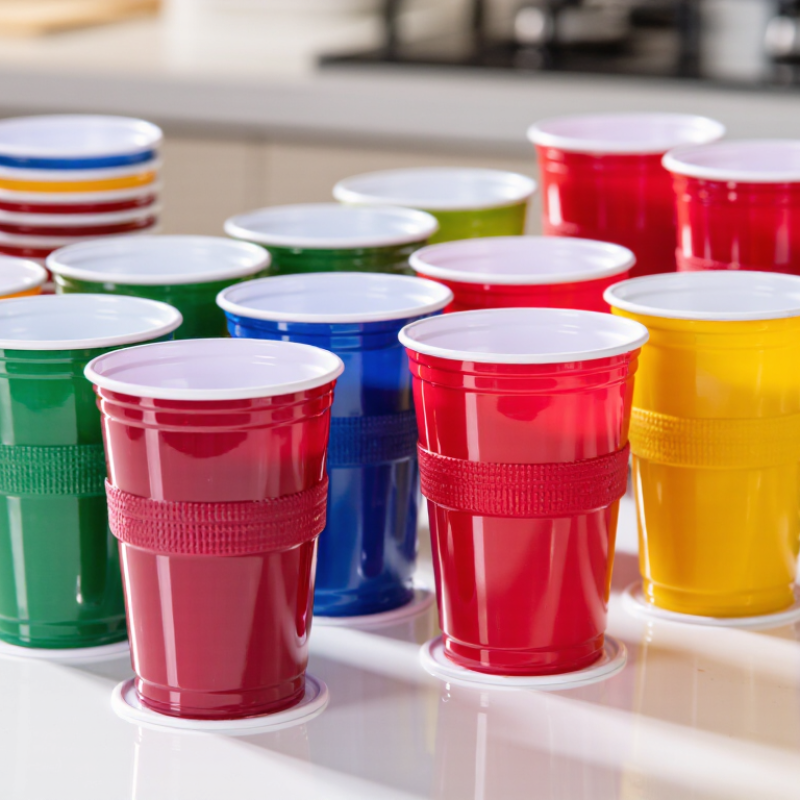
Before comparing reusable beer pong cups, picture the event you are buying them for. A small apartment gathering needs fewer cups than a large backyard party. Count players, planned games, and a few spares for dropped or misplaced cups. Running short mid-game is annoying.
Cup size affects both play and cleanup. Check the stated capacity and compare it with a familiar cup at home; product dimensions can be hard to judge on a screen. For outdoor use, look for a stable base and sturdy walls that resist tipping on a folding table. Lightweight cups are easier to carry, but very thin plastic may flex when stacked. That trade-off is easy to overlook.
Think about what happens after the party. If cups will be washed by hand, a smooth interior and wide opening make rinsing easier. For dishwasher use, verify the care instructions rather than assuming every reusable cup can handle heat. Storage matters, too: stackable cups take less cupboard space, while a storage bag helps keep a large set together. I would buy only the quantity the event needs, plus a modest buffer. My first estimate is often off. Check whether the cups are clearly labeled for food contact, and consider whether their color makes spills or residue easy to spot.
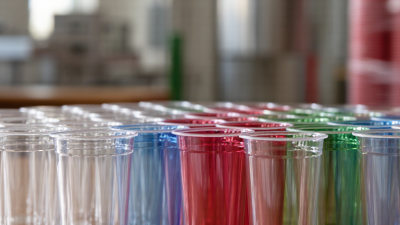
Planning estimate: allow one table for every four guests, with 20 reusable game cups per table (10 per side). This count covers game cups only and does not include spares or rinse cups.
Reusable beer pong cups are commonly made from polypropylene, stainless steel, or silicone, and each material behaves differently. Polypropylene cups are light, affordable, and easy to stack. They suit busy gatherings, though thin walls may bend, and repeated scrubbing can leave scratches. Check the care instructions; not every plastic cup is dishwasher-safe.
Stainless steel resists dents better than thin plastic, but it weighs more and hides how much liquid remains. That small detail can matter during play. Silicone cups fold for storage and resist cracking, yet softer walls may tip or hold odors if they are not dried fully. A thicker cup is not automatically better. It might stack poorly in a crowded cupboard.
Look closely at the rim, base, and seams. Smooth edges feel better to drink from, while a stable base helps prevent spills on a slick table. For frequent reuse, choose cups marked as suitable for food contact and follow their washing guidance. Rinse them soon after use, then let them air-dry completely. Scratches, cloudy patches, or lingering smells are useful reasons to inspect a cup more closely. Reusability is not endless. The honest trade-off is that durable materials may cost more, while lighter cups can be easier to replace.
Reusable beer pong cups may look similar, but their capacity can vary. Check the stated volume and compare it with the cups used in your usual setup. A cup that holds much more may feel awkward to handle, while a shallow one can spill easily. Capacity also affects how much liquid you pour, so avoid filling cups to the rim. Small differences matter.
Tip: Check the dimensions, not just the volume. A wide rim and tapered sides can change how cups sit in a triangle. If the bases are too broad, the cups may crowd one another; if they are too narrow, the arrangement may feel unstable. Tip: Look for a consistent shape across the set. Uneven rims or wobbly bases can make setup frustrating.
Before buying, place a few cups together on a flat surface, or ask for exact measurements if you are shopping online. Compare their height, rim width, and base diameter with your playing space. Also check whether the cups stack neatly for storage and separate without sticking. I have found that product photos can make proportions hard to judge, so measurements are worth a second look. The best fit depends on your table and preferred setup.
| Tip | What to Check | Practical Guidance | Why It Matters |
|---|---|---|---|
| 1. Check cup capacity | Usable volume in US fluid ounces or milliliters | Common cup sizes include 12 fl oz (about 355 mL) and 16 fl oz (about 473 mL). Confirm whether the stated capacity is filled to the rim or intended fill level. | Capacity affects how much liquid each cup holds and how well the set suits your preferred game setup. |
| 2. Compare shape and taper | Rim width, base width, height, and side angle | Look for a shape that can stand securely and fit closely with the other cups. Compare actual measurements rather than relying on terms such as “standard size.” | Different shapes can form different-sized racks and may change how easily cups fit together. |
| 3. Check beer pong compatibility | Whether the cups can be arranged in the formations you use | Try to confirm that the cup dimensions work for a triangle rack, commonly arranged with 10 cups, or for smaller formations used in your game. | A compatible footprint makes it easier to set up and reset the game consistently. |
| 4. Review the material | Food-contact suitability and material information | Choose cups identified as suitable for food contact. Reusable cups are commonly made from plastics such as polypropylene; check the product information for the specific material. | Material affects the cup’s intended use, feel, and care requirements. |
| 5. Check wall thickness and sturdiness | Whether the cups flex, deform, or tip easily when handled | Read product specifications and inspect samples if possible. A sturdier cup can be easier to handle, but added thickness may increase storage space. | Durability and stability matter when cups are moved, stacked, and washed repeatedly. |
| 6. Look for a stable base | Base diameter, flatness, and balance on a level surface | Choose cups with a base that sits flat and does not rock. If possible, test them on the type of table or playing surface you will use. | A stable base helps reduce accidental tipping during setup and play. |
| 7. Confirm cleaning instructions | Hand-wash or dishwasher guidance from the manufacturer | Do not assume every reusable plastic cup is dishwasher-safe. Follow the care instructions, including any limits on dishwasher temperature or placement. | Correct cleaning helps maintain the cups and avoids damage from unsuitable washing conditions. |
| 8. Consider stackability | How easily empty cups nest and separate | Check whether the cups stack without sticking together or requiring force to pull apart. Consider the height of a full stack for storage. | Well-stacking cups take up less space and are quicker to prepare for a game. |
| 9. Check rim comfort and finish | Smooth edges, consistent rims, and visible defects | Look for an even, smooth rim with no sharp edges, cracks, or rough molding marks. For food contact, follow the product’s intended-use instructions. | A clean finish improves handling and makes cups easier to inspect and maintain. |
| 10. Buy a practical set quantity | Number of cups included and availability of replacements | For a 10-cup triangle setup on each side, plan for 20 cups in play, plus extras if you want spares. Check the listed quantity before ordering. | Having enough matching cups makes it easier to set up both sides and replace a lost or damaged cup. |
Choose cups labeled for food contact, and check that the material feels sturdy rather than brittle. A smooth rim is more comfortable and easier to inspect. Small cracks matter. Retire cups with splits, rough edges, or cloudy patches that remain after washing. Follow the care instructions: some cups tolerate a dishwasher, while others may warp under high heat. When in doubt, wash them by hand with warm water and dish soap. Rinse well, especially around the base, where drink residue can linger.
Cleaning should fit your routine. Cups with wide openings are easier to reach with a sponge, and simple shapes tend to have fewer awkward corners. Wash them soon after use; dried residue takes more effort to remove. Dry them fully before putting them away. Damp stacks can develop stale odors, and nobody wants that surprise at the next gathering. I used to stack cups while they were still slightly wet. It saved a minute, but the smell was not worth it.
Think about storage before buying a large set. Measure your cupboard or storage bin, then check whether the cups nest securely without sticking together. A tight fit can make separation frustrating. Keep clean cups in a dry, covered place, away from direct sunlight and hot appliances. If storage space is limited, a smaller set that you can wash and reuse may be more practical than a tall stack gathering dust. One detail is easy to overlook: leave room for the cups to dry between uses.
Reusable beer pong cups are a small purchase, but price, pack size, and durability all matter.
Compare the cost per cup, not just the sticker price. Then estimate your usual headcount and add a modest spare allowance. A huge pack may look cheaper, yet unused cups can sit in storage or get discarded. That is a real trade-off.
Check whether the cups feel sturdy when squeezed and can handle repeated washing. Thin rims may split after a few lively games. I learned that the hard way. Reuse only helps when cups survive enough rounds of use; washing and replacement also take resources.
The U.S. Environmental Protection Agency reported 35.7 million tons of plastic waste generated in 2018, with about 8.7% recycled (Advancing Sustainable Materials Management: Facts and Figures, 2018).
Globally, the OECD estimated 353 million tonnes of plastic waste in 2019, with only 9% recycled (Global Plastics Outlook, 2022).
These figures cover plastics broadly, not beer pong cups specifically. Still, they make durability worth considering. Buy a pack that fits your gatherings, store it carefully, and replace only cups that are cracked or hard to clean.
A little less waste.